Advertisements
Landlord Insurance for Rental Properties: What I Wish I Knew Before My First Tenant Moved In
Here’s a stat that still makes me cringe — nearly 37% of rental property owners are either underinsured or carrying the wrong type of policy altogether. I was one of them. When I bought my first rental property back in 2016, I genuinely thought my regular homeowners insurance had me covered. Spoiler alert: it absolutely did not!
Landlord insurance for rental properties isn’t just some optional add-on. It’s the thing standing between you and financial ruin when a pipe bursts, a tenant slips on ice, or someone decides your property is the perfect place to start a small kitchen fire. Trust me, I’ve dealt with two out of those three.
What Exactly Is Landlord Insurance?
So let’s break it down real quick. Landlord insurance — sometimes called rental property insurance or dwelling fire insurance — is a policy specifically designed for properties you rent out to tenants. It’s not the same as homeowners insurance, and mixing those two up was probably my most expensive rookie mistake.
A standard landlord policy typically covers three main areas: property damage, liability protection, and loss of rental income. That last one is a lifesaver. When my duplex had water damage and tenants had to move out for six weeks, the loss of income coverage kept me from drowning in mortgage payments.
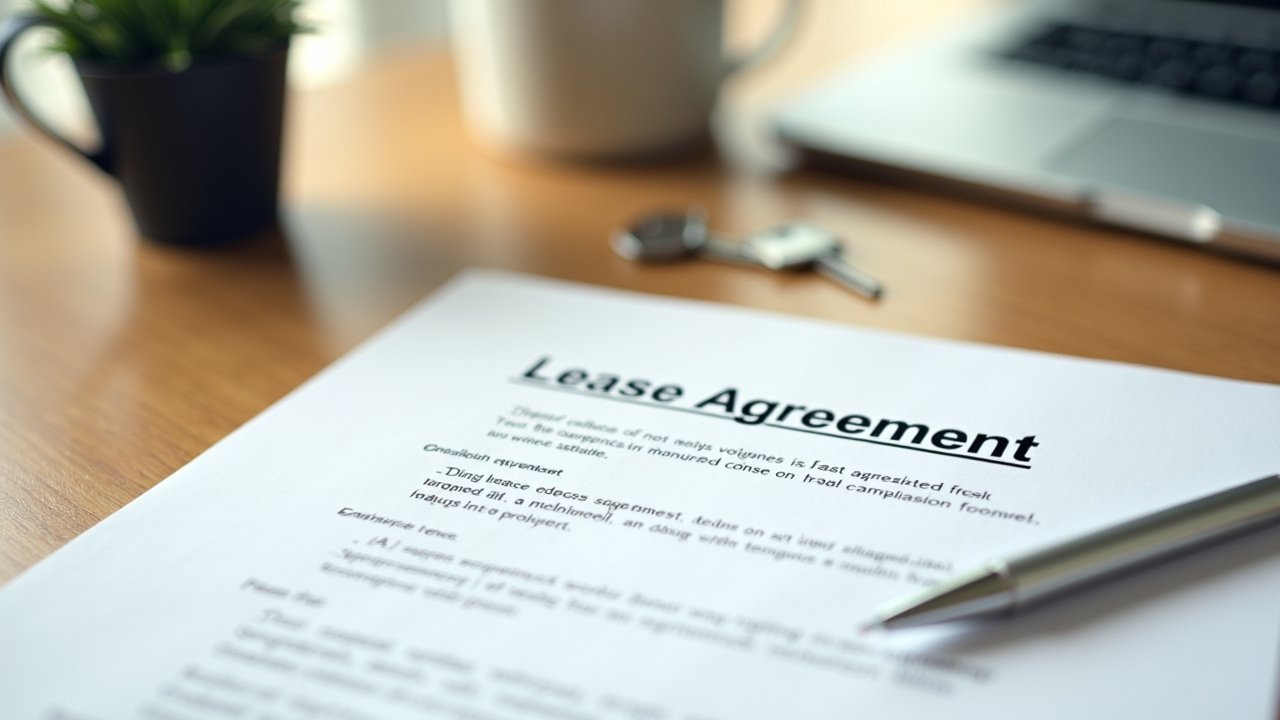
Most policies don’t cover the tenant’s personal belongings though. That’s what renters insurance is for, and honestly, I now require every tenant to carry it before signing a lease.
Why Your Homeowners Policy Won’t Cut It
This is where I messed up big time. I had a standard homeowners policy on my first investment property for almost eight months before my insurance agent casually mentioned it probably wouldn’t pay out if something happened. My stomach dropped.
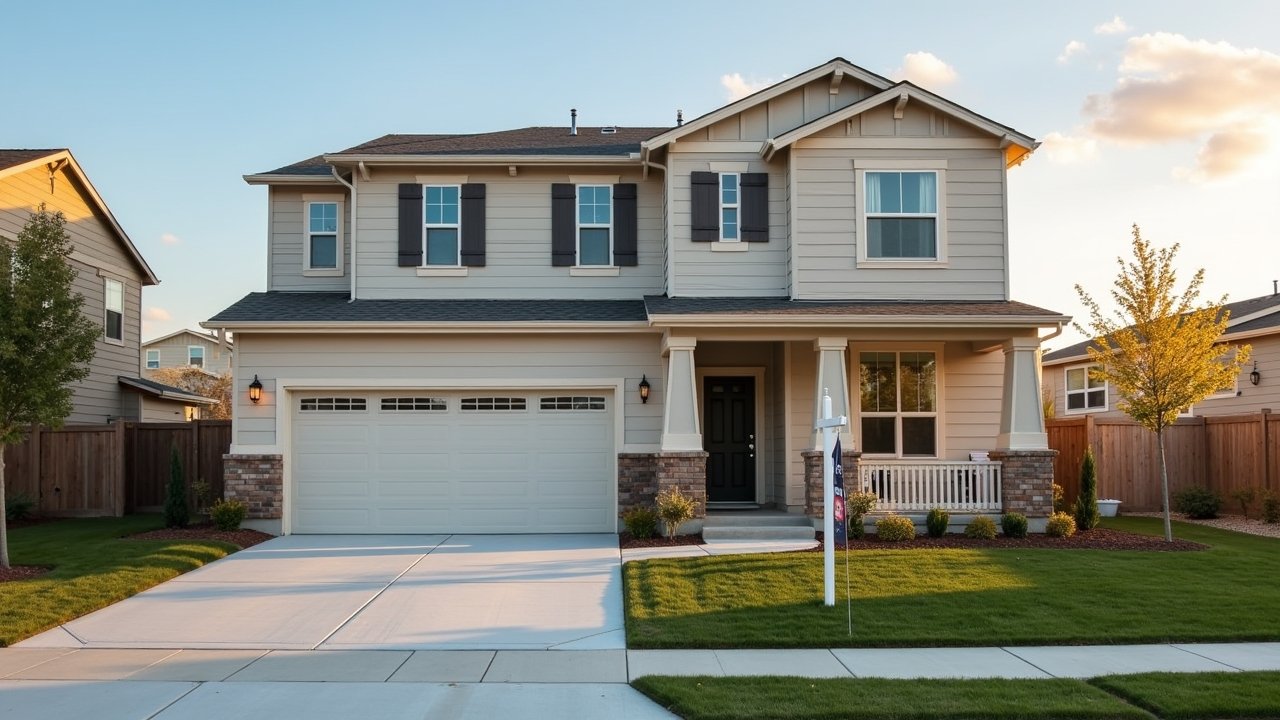
Homeowners insurance is designed for owner-occupied residences. The moment you hand the keys to a paying tenant, the risk profile changes completely. Insurers see rental properties as higher risk because you’re not there daily to monitor things, and tenants don’t always treat a place like it’s their own.
If you file a claim on a homeowners policy for a property you’ve been renting out, the insurer can straight up deny it. All those premiums you been paying? Basically wasted money.
What Does Landlord Insurance Actually Cover?
Here’s a quick rundown of what a solid landlord insurance policy should include:
- Dwelling coverage — protects the physical structure from perils like fire, wind, hail, and vandalism.
- Liability coverage — covers legal expenses and medical bills if someone gets injured on your property.
- Loss of rental income — reimburses you for lost rent when the property is uninhabitable due to a covered event.
- Other structures coverage — protects detached garages, sheds, and fences on the property.
Some landlords also add umbrella policies for extra liability protection, which I started doing after my second property. It costs maybe $200-$300 a year and gives you an additional million in coverage. Totally worth it for the peace of mind.
How Much Does It Cost?
Alright, let’s talk numbers. On average, landlord insurance runs about 15-25% more than a standard homeowners policy. That might sound steep at first, but when you factor in the rental income protection and liability coverage, it’s honestly a bargain.
The exact cost depends on a bunch of factors — location, property age, construction type, and your chosen deductible. My policy for a single-family rental in the Midwest runs around $1,400 annually, while my buddy in Florida pays closer to $2,800 for a similar property because of hurricane risk.
Advertisements
Shopping around matters too. I saved almost $400 a year just by getting quotes from three different providers instead of going with the first one.
Tips I’ve Learned the Hard Way
Document everything before tenants move in. I’m talking photos, videos, written condition reports. This has saved me during claims more than once. Also, review your policy annually because property values change, and you don’t wanna be caught underinsured.
And for the love of everything, read the exclusions section. Flood damage and earthquakes are almost never included in standard policies. You’ll need separate coverage for those.
Protect Your Investment Before It’s Too Late
Look, being a landlord is already stressful enough without worrying about whether you’re properly covered. Landlord insurance for rental properties isn’t glamorous, but it’s the safety net that keeps your investment — and your sanity — intact. Tailor your coverage to your specific situation, and don’t be afraid to ask your agent tough questions.
Want more practical tips on protecting your assets and navigating the world of insurance? Head over to Coverage Crafters and check out our other posts — we’ve got you covered, literally.