Advertisements
Florida Home Insurance Guide: Everything I Wish I Knew Before My First Policy
Here’s a stat that still blows my mind — Florida homeowners pay an average of $10,996 per year for home insurance, according to Bankrate’s 2025 data. That’s roughly three times the national average! When I first bought my place near Tampa, I honestly had no clue what I was getting into with Florida homeowner insurance costs.
Whether you’re a first-time buyer or you’ve been living in the Sunshine State for years, understanding your home insurance policy is absolutely critical. I learned this the hard way, and I’m gonna walk you through everything so you don’t have to make the same mistakes I did.
Why Florida Home Insurance Is So Expensive
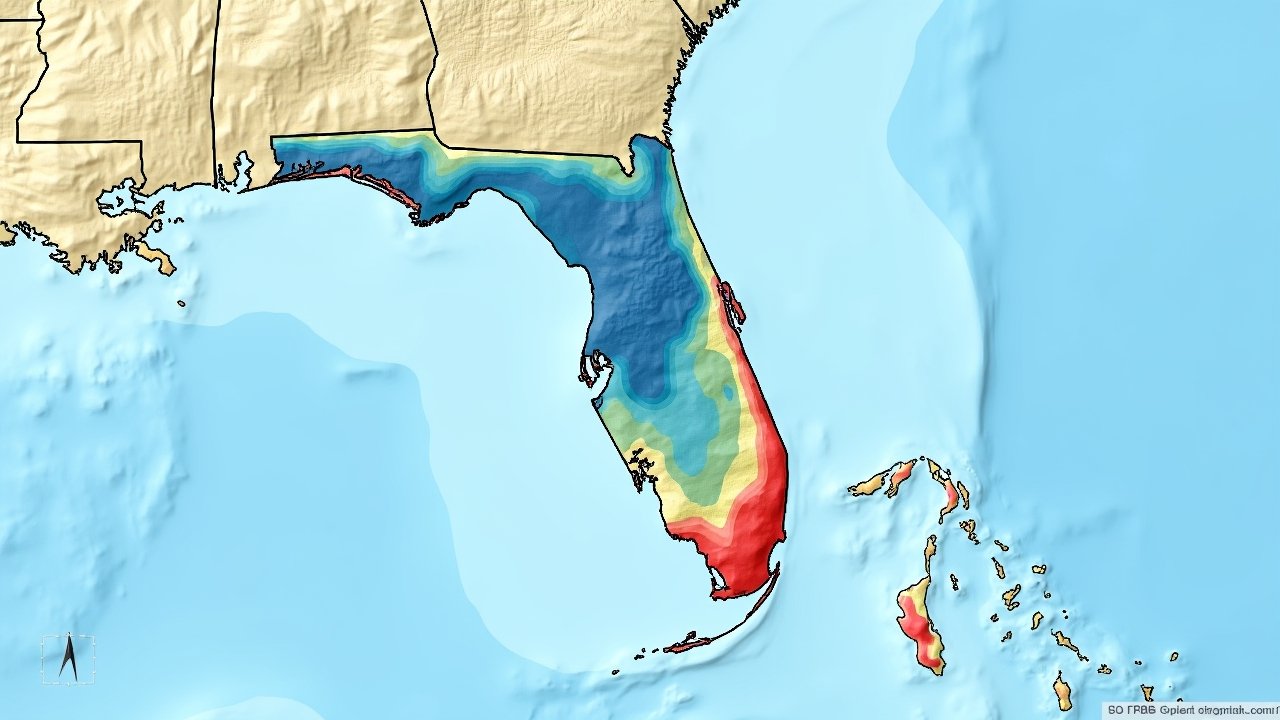
Let’s just get this out of the way — Florida property insurance rates are brutal. The state sits right in Hurricane Alley, and insurers know it. Between hurricane damage, tropical storms, flooding, and even sinkholes, the risk factors here are through the roof (pun intended).
I remember calling around for quotes when I was house hunting and literally gasping at some of the numbers. One agent told me my quote was “actually pretty good,” and I almost laughed. But once you understand that companies like Citizens Property Insurance — the state’s insurer of last resort — have seen massive enrollment spikes, it starts to make sense.
Fraud has also been a huge driver of costs. Roof repair scams and inflated claims have plagued the Florida insurance market for years, pushing several carriers into insolvency.
What Does a Standard Florida Homeowners Policy Cover?
A typical HO-3 policy in Florida covers your dwelling, personal property, liability protection, and additional living expenses if your home becomes uninhabitable. Sounds pretty comprehensive, right? Well, here’s where it gets tricky.
Most standard policies do NOT cover flood damage. I cannot stress this enough. I actually thought my policy covered flooding after a bad storm soaked my garage, and nope — I was wrong. You need a separate flood insurance policy, usually through the National Flood Insurance Program (NFIP) or a private flood insurer.
Windstorm coverage can also be a separate thing depending on where you live. If you’re in a coastal area, your insurer might exclude wind damage, and you’d need to get coverage through the Citizens Property Insurance Corporation or a specialized windstorm policy.
Tips for Lowering Your Florida Insurance Premium
Okay, so here’s the good stuff — the practical tips I’ve actually used to bring my costs down. Because nobody wants to just accept those sky-high premiums without a fight.
- Fortify your roof. Installing a wind-mitigation-rated roof was the single best thing I ever did. After getting a wind mitigation inspection, my premium dropped significantly. Most insurers offer discounts for hurricane-resistant features.
- Bundle your policies. I bundled my home and auto insurance with the same carrier and saved about 15%. It’s not groundbreaking advice, but it works.
- Raise your deductible. Going from a $1,000 to a $2,500 deductible shaved a decent chunk off my annual cost. Just make sure you can actually afford that deductible if something happens.
- Shop around every single year. Seriously. I was loyal to one company for three years and then discovered I could save $1,800 annually by switching. Loyalty doesn’t pay in the Florida insurance market.
- Ask about discounts. Security systems, impact-resistant windows, newer roofs — all of these can qualify you for lower rates. You’d be surprised what you’re not being told.
Understanding Florida’s Unique Insurance Laws
Florida has some specific regulations that affect your coverage. For instance, the state passed Senate Bill 2-A in 2022, which reformed the assignment of benefits (AOB) process and aimed to reduce frivolous lawsuits against insurers. This was supposed to help stabilize the market and eventually lower rates.
There’s also the My Safe Florida Home program, which offers grants to help homeowners harden their properties against hurricanes. I applied for it last year, and honestly the process was kinda slow — but free money for storm shutters is free money.
Your Next Step Starts Here
Look, navigating Florida home insurance is not fun. But understanding your policy, knowing what’s covered, and being proactive about lowering costs can save you thousands of dollars and a whole lot of headaches. Every home is different, so tailor this information to your specific situation and location.
Advertisements
And please — don’t skip flood insurance. Just don’t. For more tips on protecting your home and making smart coverage decisions, check out our other guides over at Coverage Crafters. We’re always adding new posts to help you make sense of this stuff!