
Advertisements
Texas Home Insurance Requirements: What You Actually Need to Know Before It’s Too Late
Here’s a fun little fact that caught me off guard — Texas is one of the most disaster-prone states in the entire country. Hailstorms, hurricanes, tornadoes, flooding… you name it, we’ve probably dealt with it. And yet, so many homeowners here have no clue what their insurance actually covers or what’s even required of them!
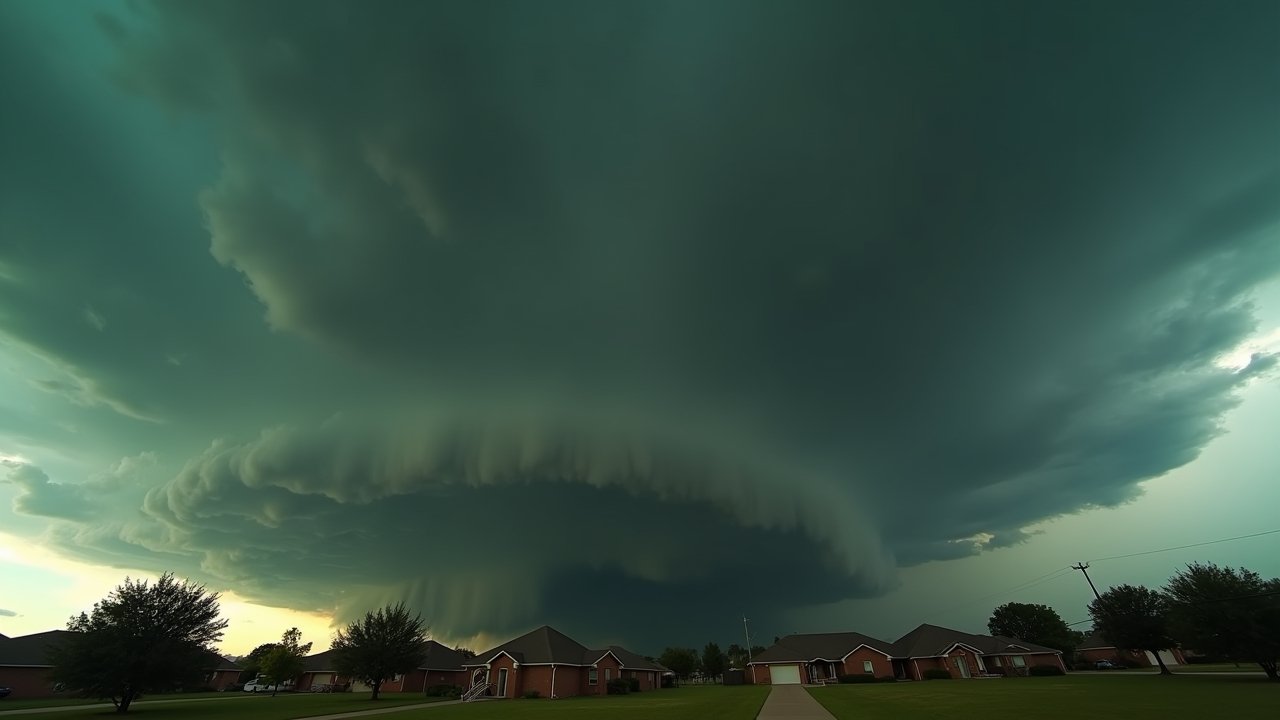
I learned this the hard way back in 2019 when a nasty hailstorm tore through my neighborhood in San Antonio. I thought I was covered for everything. Spoiler alert: I wasn’t. So let me walk you through what I wish someone had told me about Texas home insurance requirements before that mess happened.
Is Home Insurance Legally Required in Texas?
Okay, so here’s the thing — Texas does NOT legally require you to carry homeowners insurance. Surprised? I was too when I first found out. The state itself won’t penalize you for not having a policy.
But here’s where it gets tricky. If you have a mortgage, your lender will absolutely require you to maintain home insurance coverage for the entire duration of your loan. And honestly, that’s like 99% of homeowners right there. According to the Texas Department of Insurance, most mortgage companies mandate a policy that at least covers the replacement cost of your home.
So technically it’s not a law, but practically speaking? You’re gonna need it.
What Does a Standard Texas Homeowners Policy Cover?
A standard homeowners insurance policy in Texas — often called an HO-3 policy — typically covers a few key areas. Let me break it down real quick:
- Dwelling coverage — protects the physical structure of your home from covered perils like fire, wind, and hail.
- Personal property coverage — covers your belongings inside the home, like furniture, electronics, and clothing.
- Liability protection — if someone gets injured on your property, this helps cover legal and medical costs.
- Additional living expenses (ALE) — pays for temporary housing if your home becomes uninhabitable after a covered event.
Now, what tripped me up was assuming that “covered perils” meant everything. It doesn’t. Standard policies typically exclude flooding and earthquake damage. That was my expensive lesson during that 2019 storm — some of the water damage in my garage wasn’t covered because it was classified as flooding rather than wind-driven rain.
Flood Insurance: The Big One Everyone Forgets
Listen, if you’re living in Texas and you don’t at least consider flood insurance, you’re rolling the dice. Even if you’re not in a designated flood zone, storms here are unpredictable and flash flooding happens way more than people think.
Flood insurance is purchased separately, usually through the National Flood Insurance Program (NFIP). It’s not bundled into your standard policy, and that catches a lot of folks off guard. My neighbor found this out after Hurricane Harvey when she realized her homeowners policy didn’t cover a single dollar of flood damage. Devastating stuff.
Windstorm and Hail Coverage Along the Coast
Here’s another curveball that’s pretty specific to Texas. If you live along the Gulf Coast — we’re talking counties like Galveston, Nueces, or Cameron — your standard insurer might not include windstorm and hail coverage. Yeah, seriously.
In those areas, you’ll likely need to get a separate windstorm policy through the Texas Windstorm Insurance Association (TWIA). It’s an extra step and an extra cost, but trust me, it’s worth every penny if a hurricane comes knocking. I had a coworker in Corpus Christi who skipped it to save money. She regretted that decision real fast after a tropical storm ripped off part of her roof.
How Much Coverage Do You Actually Need?
This is where a lot of people mess up, myself included. You don’t want to insure your home for its market value — you want to insure it for the replacement cost. Those are two very different numbers.
Advertisements
Replacement cost is what it would take to rebuild your home from scratch at current construction prices. With lumber and labor costs being what they are these days, that number might be higher than you’d expect. I’d recommend reviewing your policy annually and adjusting your dwelling coverage limits accordingly. A good independent insurance agent can help you calculate this properly.
What I’d Tell My Younger Self
If I could go back, I’d tell myself to stop assuming and start reading the fine print. Texas home insurance requirements might not be mandated by law in the traditional sense, but the reality is you can’t afford to go without solid coverage in this state. Between hail, wind, floods, and everything else Mother Nature throws at us, being underinsured is basically the same as being uninsured.
Take the time to customize your policy to fit YOUR situation. Talk to an agent, ask about endorsements, and for the love of all things good — get flood insurance even if you think you don’t need it. And if you want to keep learning about how to protect your home and make smarter insurance decisions, check out more articles on Coverage Crafters. We’ve got tons of helpful stuff over there that can save you a serious headache down the road.