Advertisements
Classic Car Insurance Explained: What I Wish Someone Told Me Before I Bought My First Vintage Ride
Here’s a stat that blew my mind — a 1967 Shelby GT500 sold for over $2.2 million at auction a few years back. Now, imagine insuring that with a regular auto policy. Sounds crazy, right? Well, I actually made a similar mistake (on a much smaller scale, thankfully) when I picked up my first classic car, a 1972 Chevy Nova, and just slapped my standard insurance on it. Let me tell you, classic car insurance is a whole different world, and understanding it can save you a ton of money and heartache!
What Exactly Is Classic Car Insurance?
Classic car insurance is a specialized type of coverage designed specifically for vintage, antique, and collector vehicles. Unlike your everyday auto insurance policy, it accounts for the fact that these cars often appreciate in value rather than depreciate. That’s the big difference right there.
Most standard policies use actual cash value, which means they factor in depreciation. So your beautiful 1969 Mustang might get valued like a beat-up daily driver if something goes wrong. Classic car insurance, on the other hand, typically uses what’s called an agreed value policy. You and the insurer agree on the car’s worth upfront, and that’s what you get paid if it’s totaled.
I learned this the hard way. When I had my Nova on a regular policy, I was basically throwing money away because the coverage didn’t reflect the car’s true market value.
Who Qualifies for Classic Car Insurance?
Not every old car qualifies, and honestly, I was surprised by some of the requirements when I first looked into it. Most insurers have specific eligibility criteria you gotta meet.
- The vehicle is typically 25 years old or older (though some companies cover cars as young as 15 years).
- It must be used as a secondary vehicle — not your daily driver.
- You usually need a clean driving record.
- The car should be stored in a secure garage or enclosed structure.
- There are often annual mileage limits, usually between 1,000 and 7,500 miles per year.
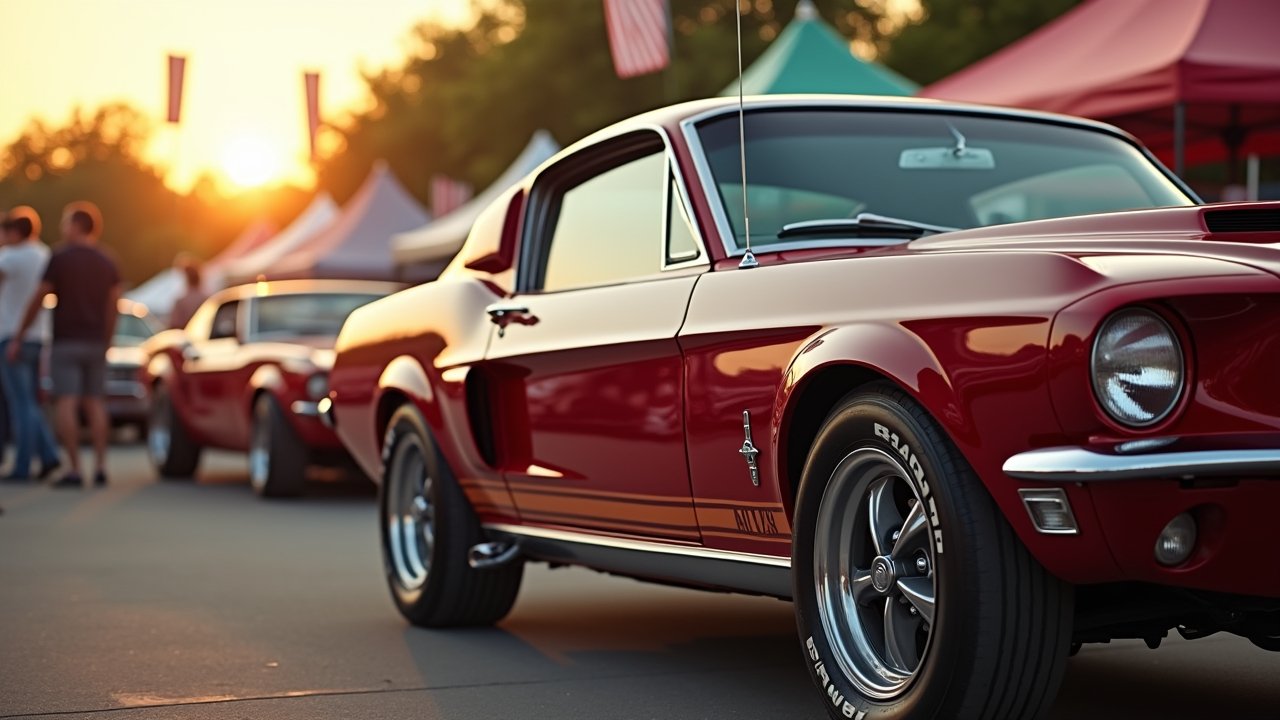
That mileage restriction tripped me up at first. I wanted to cruise my Nova around town every weekend, but most classic car policies aren’t really built for that. They’re designed for car shows, parades, occasional pleasure drives, and the like.
Why Is It Usually Cheaper Than Regular Insurance?
This was the pleasant surprise. Classic car insurance premiums are often significantly lower than standard auto insurance — sometimes by 40% or more. Sounds too good to be true, but it makes sense when you think about it.
Because these cars are driven less frequently and stored more carefully, the risk of accidents is way lower. Insurers know that classic car owners tend to baby their vehicles. I mean, you’re not exactly going to take a numbers-matching 1970 Chevelle SS through a drive-thru, right?
Companies like Hagerty and Grundy specialize in this stuff, and they really understand the collector car community. Shopping around between these specialty providers was one of the best moves I made.
Key Coverage Options You Should Know About
Beyond the agreed value coverage I mentioned, there are some other features that are worth paying attention to. These extras can make a real difference if something goes sideways.
- Spare parts coverage — protects your stash of restoration parts and accessories.
- Flatbed towing — because nobody wants their classic dragged by a regular tow truck.
- Restoration coverage — covers the car during an active restoration project, even if it’s in pieces.
- Auto show medical reimbursement — covers injuries at car shows or events.
- Trip interruption — reimburses you for food and lodging if your classic breaks down far from home.
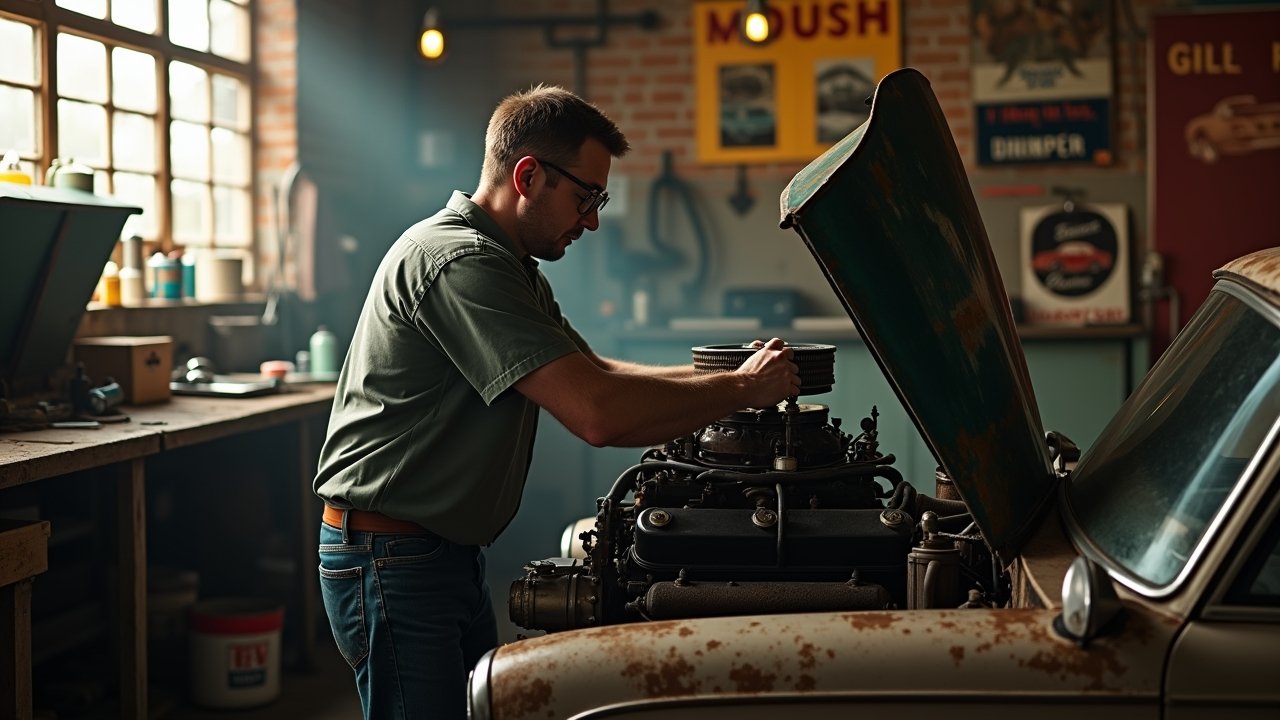
The spare parts coverage alone was a game-changer for me. I had a garage full of Nova parts that weren’t covered under my homeowner’s policy, and I didn’t even realize it until a buddy pointed it out. That could’ve been a disaster.
The Road Ahead — Protect What You Love
Look, if you’ve invested time, money, and passion into a classic car, protecting it with the right insurance isn’t optional — it’s essential. Every collector’s situation is a little different, so take the time to customize your policy based on how you actually use your vehicle and what it’s truly worth.
Advertisements
And please, don’t make my mistake of using a standard policy just because it seems easier. Do your research, talk to specialty insurers, and ask questions. For more tips on finding the right coverage for your unique needs, check out other posts on Coverage Crafters — we’re always breaking down insurance topics so they actually make sense!