
Advertisements
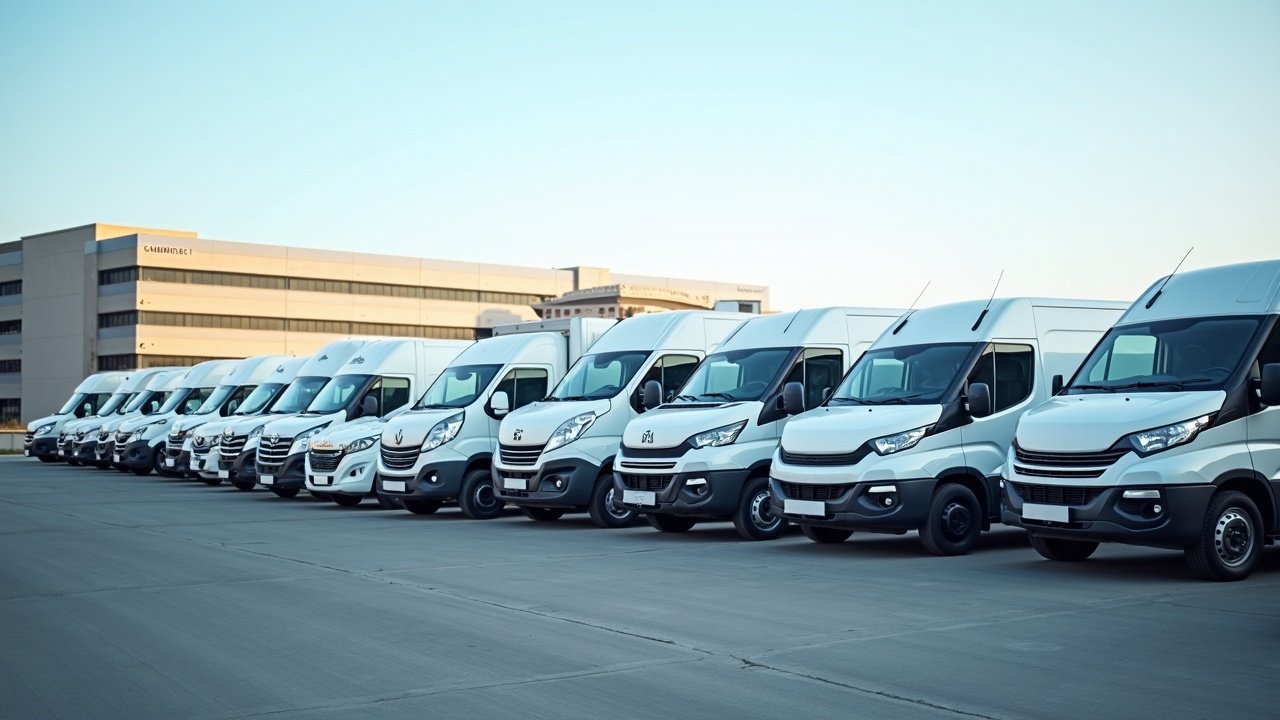
Commercial Auto Insurance Explained: What I Wish Someone Had Told Me Years Ago
Here’s a stat that kinda blew my mind — nearly 40% of small business owners don’t carry the right commercial auto coverage, according to the Insurance Information Institute. That’s wild when you think about it! I was one of those people a few years back, driving my personal truck for work deliveries and thinking my regular policy had me covered.
Spoiler alert: it didn’t. And I learned that the hard way after a fender bender in a parking lot while hauling supplies for a client. So let me save you the headache and break down commercial auto insurance in plain English.
So What Exactly Is Commercial Auto Insurance?
Commercial auto insurance is a policy designed to cover vehicles used for business purposes. We’re talking delivery vans, company cars, service trucks, even that sedan you use to drive between job sites. If a vehicle is being used to make money, your personal auto policy probably won’t cut it.
The key difference between personal and commercial coverage comes down to how the vehicle is used. A personal policy covers you driving to the grocery store. A commercial policy covers you hauling equipment to a worksite or making deliveries for your small business.
Who Actually Needs This Stuff?
Honestly, more people than you’d think. If you’re a contractor, plumber, electrician, florist, caterer, or really anyone who uses a vehicle as part of their livelihood, you probably need a commercial auto policy. Even rideshare drivers and real estate agents should look into it.
I remember talking to a buddy who runs a landscaping company. He was using his personal truck and trailer with zero commercial coverage. One accident later, his personal insurer denied the claim because the vehicle was being used for business. That denial hit him for about $12,000 out of pocket. Brutal.
What Does a Commercial Auto Policy Actually Cover?
A solid commercial auto insurance policy typically includes several types of coverage. Here’s a quick rundown:
- Liability coverage — pays for bodily injury and property damage you cause to others in an accident.
- Collision coverage — covers damage to your own vehicle from a crash.
- Comprehensive coverage — handles non-collision events like theft, vandalism, or weather damage.
- Uninsured/underinsured motorist coverage — protects you if the other driver doesn’t have enough insurance.
- Medical payments coverage — pays medical bills for you and your passengers regardless of fault.
Some policies also offer hired and non-owned auto coverage, which is a lifesaver if employees use their personal vehicles for work tasks. I added that to my policy after realizing my team was sometimes using their own cars for supply runs.
How Much Does It Cost? Let’s Be Real.
This is where things get a little tricky. The cost of commercial auto insurance varies a ton based on factors like your industry, driving records, vehicle types, coverage limits, and even your location. According to Progressive Commercial, the average cost can range anywhere from $150 to $300+ per month per vehicle.
When I first got my quote, I nearly choked. But then I thought about that $12,000 my landscaping buddy lost, and suddenly the monthly premium didn’t seem so bad. You can also lower costs by bundling with a general liability policy or increasing your deductible — just make sure you can actually afford that deductible if something happens.
Common Mistakes I’ve Seen (and Made)
The biggest mistake is assuming your personal policy covers business use. It almost never does. Another one is underestimating your coverage limits — going cheap on liability limits might save you $30 a month, but it could cost you everything in a serious accident.
Also, don’t forget to update your policy when you add vehicles or hire new drivers. I once forgot to add a new work van for two months. Thankfully nothing happened, but man, that was a dumb gamble on my part.
Advertisements
The Bottom Line on Protecting Your Business on the Road
Commercial auto insurance isn’t glamorous, but it’s one of those things that separates a protected business from a vulnerable one. Every company’s needs are different, so take the time to customize your coverage based on your specific fleet, drivers, and risk level.
And please, don’t skip on proper coverage just to save a few bucks — it’s not worth the risk to your business or your employees. If you want to keep learning about smart coverage decisions, head over to Coverage Crafters where we break down insurance topics just like this one. Your future self will thank you!