
General Liability Insurance for Small Business: What I Wish Someone Had Told Me Years Ago

Advertisements
Here’s a stat that still keeps me up at night — according to the U.S. Small Business Administration, roughly 40% of small businesses will experience a property or general liability claim within the next 10 years. Forty percent! When I first started my little consulting gig back in 2016, insurance was the absolute last thing on my mind. I was worried about clients, branding, and honestly just keeping the lights on.
But then a client slipped on a wet floor in my rented office space. And suddenly, general liability insurance for small business wasn’t some boring topic anymore — it was the only thing that mattered.
What Exactly Is General Liability Insurance?
So let’s break this down real simple. General liability insurance, sometimes called commercial general liability or CGL, is a policy that protects your business from financial loss when someone claims you caused them bodily injury, property damage, or even personal injury like defamation. It’s basically your safety net when things go sideways.
Think of it like this — if a customer trips over a cord in your shop and breaks their wrist, your general liability policy covers the medical bills and any legal fees. Without it, that money comes straight out of your pocket. And trust me, legal costs add up way faster than you’d ever expect.
Why Your Small Business Absolutely Needs It
I used to think, “I’m a small operation, what’s the worst that could happen?” Famous last words, right? The truth is, small businesses are actually more vulnerable to lawsuits because they often don’t have the cash reserves to absorb a big hit.
Here’s what general liability coverage typically protects against:
- Third-party bodily injury claims
- Property damage caused by your business operations
- Advertising injury, like copyright infringement in your marketing
- Medical payments for injured parties regardless of fault
- Legal defense costs, even if the lawsuit is frivolous
Even if you work from home or operate a solo freelance business, you’re not immune. A client could claim your advice caused them financial harm. It sounds extreme, but I’ve seen it happen to people I know personally.
How Much Does It Actually Cost?
Okay, this was the part that surprised me the most. According to Insureon, the median cost of general liability insurance for small businesses is around $42 per month. That’s less than most of us spend on coffee each week!
Of course, your premium depends on a bunch of factors. Your industry, location, revenue, number of employees, and claims history all play a role. A construction company is gonna pay way more than a graphic designer working from their spare bedroom — and that makes total sense when you think about the risk involved.
When I first got my policy, I was quoted around $500 annually for my consulting business. Honestly, I was kinda relieved. I’d been imagining some astronomical number that would wreck my budget.
Choosing the Right Policy Without Losing Your Mind
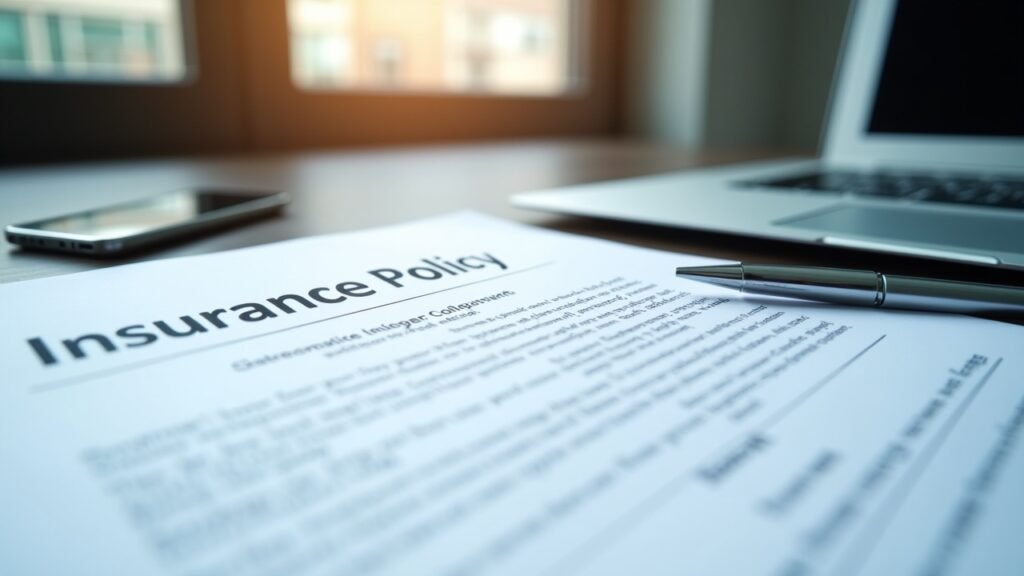
Here’s where I messed up initially. I just grabbed the cheapest policy I could find and called it a day. Big mistake. The coverage limits were way too low, and there was exclusions I didn’t even bother reading. Don’t be like me.
When shopping for a business liability policy, pay attention to these things:
- Per-occurrence limit versus aggregate limit — know the difference
- What’s specifically excluded from coverage
- Whether you need additional coverage like a business owner’s policy (BOP) that bundles general liability with property insurance
- The insurer’s reputation and claims process
I’d also recommend talking to an independent insurance agent rather than just buying online. They can compare multiple carriers and find gaps in coverage you might of missed on your own. That conversation saved me about $200 a year and got me better protection.
Advertisements
Don’t Wait Until It’s Too Late — Seriously
Look, I get it. Insurance isn’t glamorous. Nobody starts a business because they’re excited about reading policy documents. But general liability insurance for small business is one of those things that feels unnecessary right up until the moment it becomes the most important purchase you’ve ever made.
My advice? Get covered before you need it. Customize your policy to fit your specific industry and risk level. And always, always read the fine print — or have someone read it for you.
If you found this helpful and want to keep learning about protecting your business the smart way, head over to Coverage Crafters for more practical guides and insurance tips written for real people, not lawyers. We’ve got plenty of posts that’ll help you navigate this stuff without the headache.