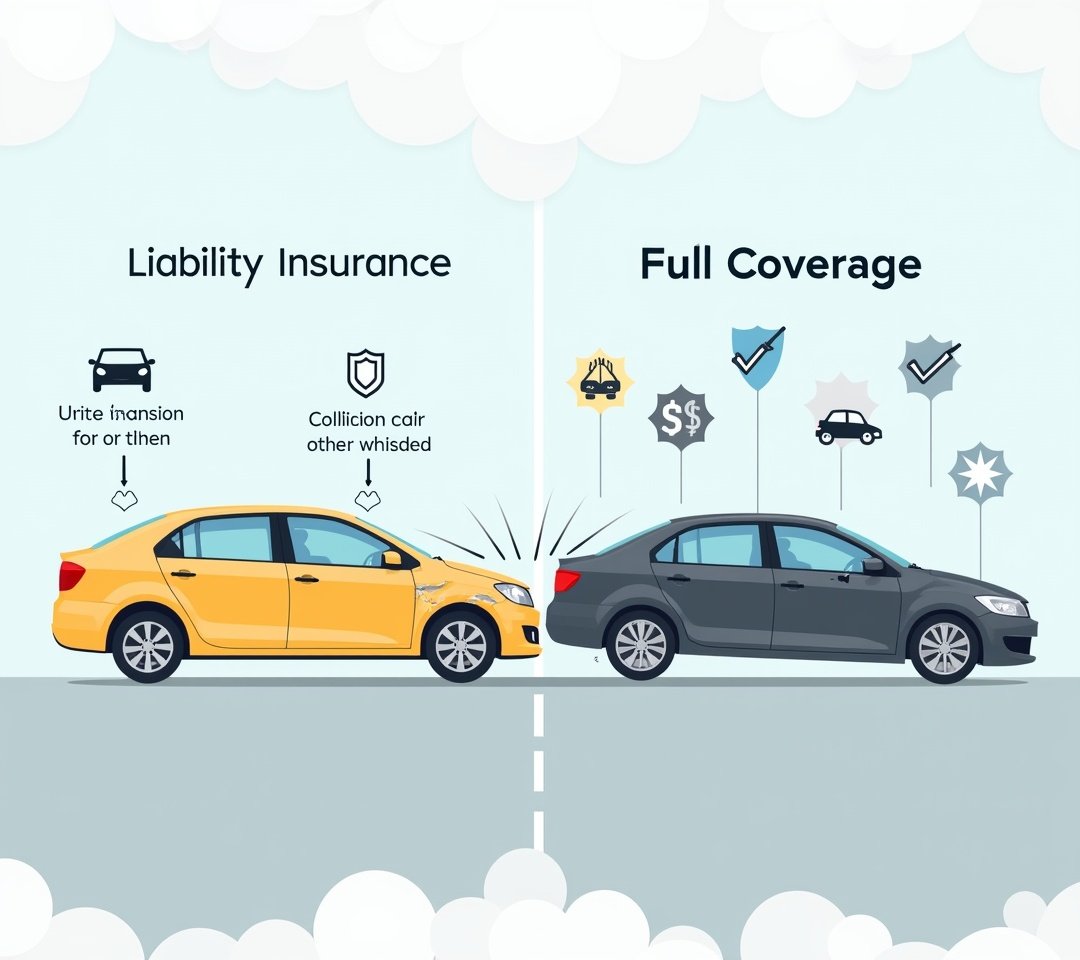
Liability vs Full Coverage Car Insurance: What I Wish Someone Told Me Before I Wrecked My Car
Here’s a stat that still blows my mind — roughly 1 in 8 drivers on the road don’t even have insurance at all. Meanwhile, the rest of us are sitting here trying to figure out the difference between liability and full coverage car insurance, wondering if we’re paying too much or not enough. I’ve been on both sides of this debate, and let me tell you, I learned the hard way which one actually matters.
So What Exactly Is Liability Car Insurance?
Liability insurance is basically the bare minimum your state requires you to carry. It covers damage you cause to other people and their property if you’re at fault in an accident. That’s it — nothing for your own car.
Think of it like this: you rear-end someone at a stoplight, and liability pays for their bumper and their medical bills. Your car? That’s your problem. Every state except New Hampshire requires some form of minimum liability coverage, but the amounts vary wildly.
I drove with just liability for about three years when I was in my late twenties. I had this beat-up Honda Civic that was barely worth $2,000, and honestly, it made total sense at the time. Why would I pay extra premiums to protect a car that was practically worthless?
What Does Full Coverage Actually Cover?
Here’s the thing — “full coverage” isn’t actually an official insurance term. It’s just what people call it when you bundle liability with comprehensive and collision coverage. Collision covers your car when you hit something, and comprehensive handles everything else like theft, hail, falling trees, and deer strikes.
So full coverage essentially protects both other people AND your vehicle. It’s more expensive, obviously. But when you need it, you really need it.
I remember upgrading to full coverage when I finally bought a newer Subaru. My monthly premium jumped from around $60 to about $145, and I was honestly annoyed about it. Then six months later, a massive hailstorm destroyed my windshield and dented the hood, and comprehensive covered the whole repair minus my deductible. I literally would’ve been out $3,500 without it.
The Key Differences at a Glance
- Liability only: Covers other people’s injuries and property damage when you’re at fault
- Collision: Pays to repair or replace your car after an accident, regardless of fault
- Comprehensive: Covers non-collision damage like weather, theft, and animal strikes
- Full coverage: Liability + collision + comprehensive bundled together
When Liability Only Makes Sense
I’m not gonna sit here and tell you everyone needs full coverage because that’s just not true. If your car’s market value is low — say under $4,000 — you might end up paying more in premiums over a year than you’d ever get back from a claim. That math doesn’t work out.
Also, if you’ve got enough savings to cover a replacement vehicle out of pocket, liability might be fine. It’s all about your personal risk tolerance and financial situation. A good rule of thumb I picked up is if your annual comprehensive and collision premiums exceed 10% of your car’s value, it’s probably time to drop down to liability only.
When You Absolutely Need Full Coverage
If you’re financing or leasing your car, this isn’t even a choice. Your lender will require full coverage until that loan is paid off. Makes sense — they want to protect their investment too.
But even if you own your car outright, full coverage is worth it when your vehicle has significant value. I’d say anything worth more than $10,000 deserves that extra layer of protection. Also, if you live in an area with heavy traffic, extreme weather, or high theft rates, comprehensive coverage alone could save you thousands.
What I’d Tell My Younger Self
Looking back, I got lucky during those years with just liability. Real lucky. One bad accident and I would’ve been taking the bus for months because I definitely didn’t have savings to replace a car back then.
My advice? Don’t just pick the cheapest option and forget about it. Review your coverage every year, especially when your car’s value changes. Get quotes from multiple insurers because rates can differ by hundreds of dollars for the exact same coverage. And please, actually read your policy — I know it’s boring, but knowing what’s covered before disaster strikes is everything.
Your situation is unique, so customize your coverage to match your life right now. If you found this helpful, head over to Coverage Crafters for more guides that break down insurance topics without all the confusing jargon. We’re here to help you make smarter choices — not just cheaper ones.
Leave a Reply