
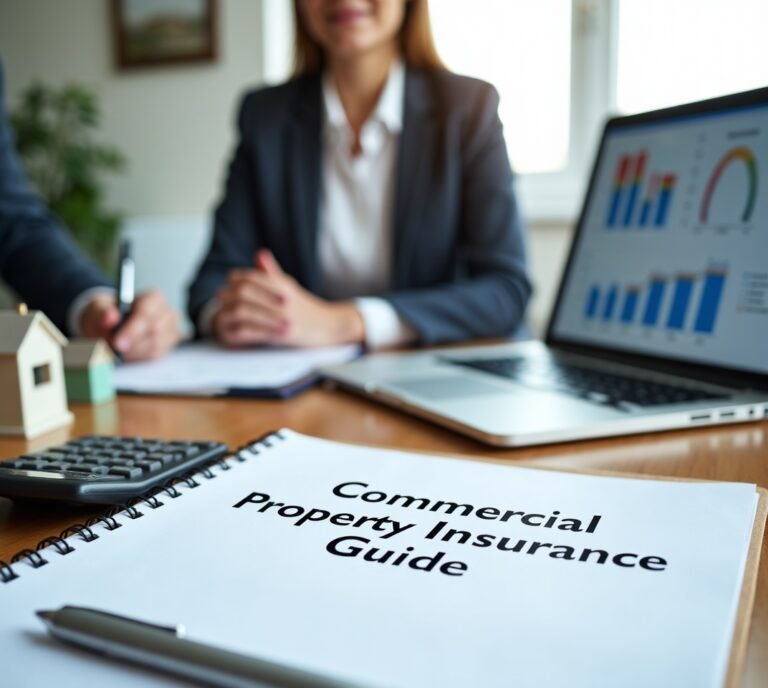
Commercial Property Insurance: A Small Business Guide
Commercial property insurance covers your building, equipment, inventory, and more. Here's how it works, what it excludes, and how to make sure your business assets are fully protected.

Commercial property insurance covers your building, equipment, inventory, and more. Here's how it works, what it excludes, and how to make sure your business assets are fully protected.

If your business makes, sells, or distributes physical products, a product liability claim could be devastating. Here's what this coverage protects, who needs it, and how much it costs.

Working from home doesn't mean your homeowners policy covers your business. Here's what coverage gaps home-based businesses face and the affordable options to fill them.

If you use a vehicle for work, your personal auto policy likely won't cover it. Commercial auto insurance protects your business on the road — here's what it covers and what it costs.
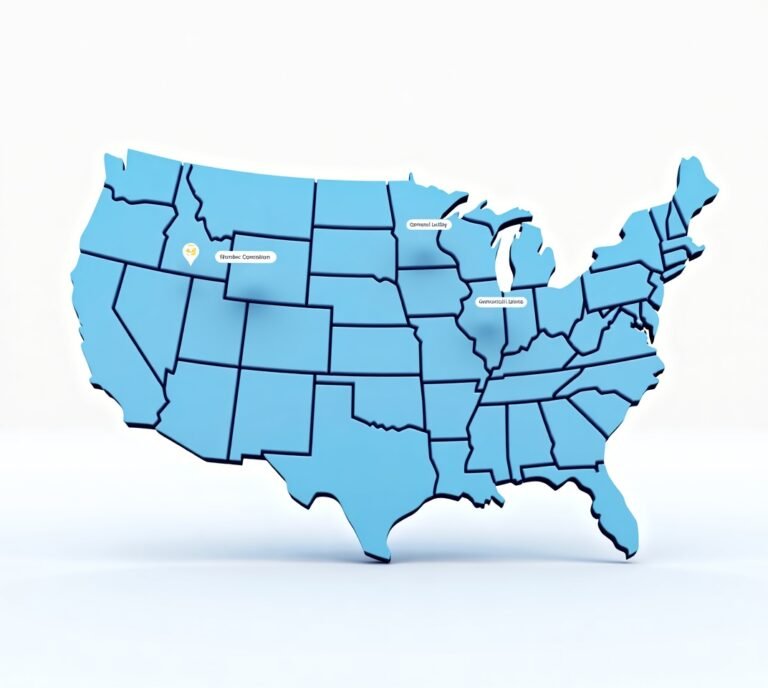
Running a business across state lines? Requirements for general liability, workers' comp, and commercial auto vary widely. This guide breaks down what each state expects from business owners.

Some states require professional liability insurance for licensed professions. Here's which industries face mandates, what limits are required, and how requirements vary across state lines.

Workers' comp rules vary dramatically by state — from who's exempt to how premiums are calculated. This guide breaks down the requirements every employer needs to know, state by state.
Georgia requires minimum liability coverage and has strict rules around SR-22 filings. Here's what every Georgia driver legally needs and what average premiums look like across the state.

Illinois homeowners face unique risks from Midwest storms and tornadoes. This guide breaks down what coverage you need, what average rates look like, and how to lower your premium.