

States That Don’t Require Car Insurance: What to Know
A handful of states don't legally require car insurance — but that doesn't mean you should drive without it. Here's what those states require instead and the serious risks of going uninsured.

A handful of states don't legally require car insurance — but that doesn't mean you should drive without it. Here's what those states require instead and the serious risks of going uninsured.

In no-fault states, your own insurance covers your injuries regardless of who caused the crash. Here's which states use no-fault rules and what it means for how your claim gets handled.
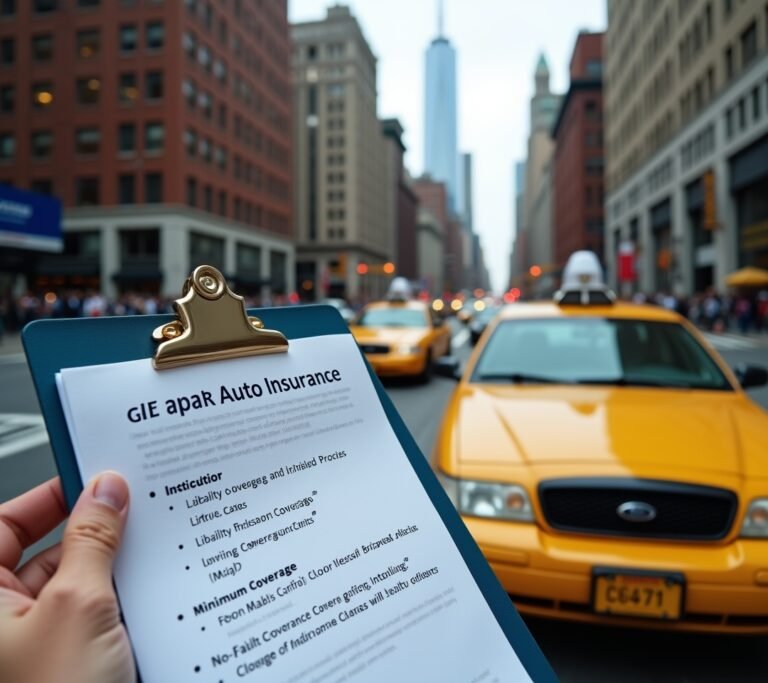
New York is a no-fault state with some of the highest minimum insurance requirements in the country. Here's what you're legally required to carry and what it typically costs in the state.

Texas doesn't mandate home insurance — but your lender does, and the state's weather makes coverage critical. Here's what every Texas homeowner needs to know about windstorm and flood.
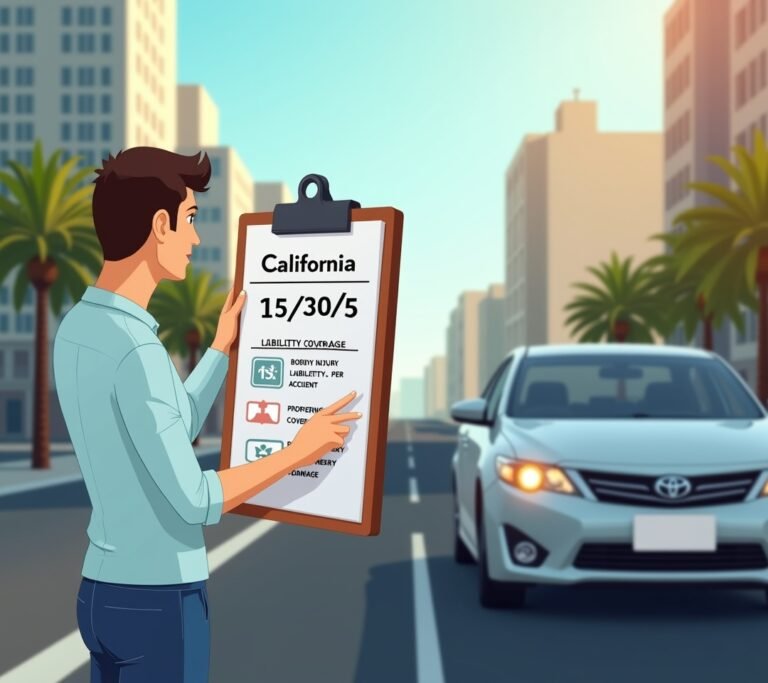
California has specific minimum liability requirements and unique rules around credit scoring in insurance. Here's exactly what the law requires and how to stay fully covered in the state.

Florida home insurance is among the most expensive in the country — and the most complex. This guide covers windstorm, flood, Citizens Insurance, and what every Florida homeowner must know.
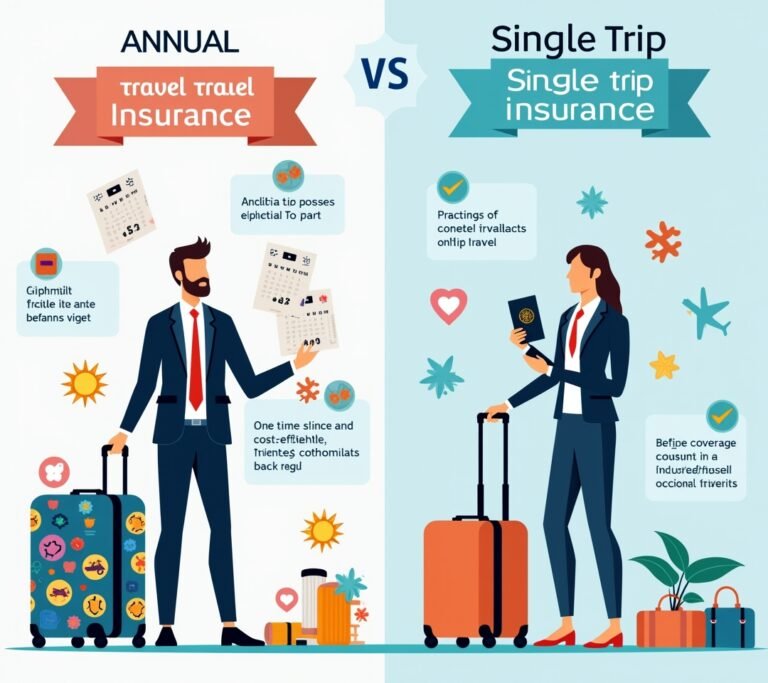
If you travel more than twice a year, an annual multi-trip policy almost always makes more financial sense. Here's how to compare the cost and coverage of each option side by side.

Cruise travel insurance has unique considerations: missed ports, trip interruption at sea, and medical evacuation. Here's what a solid cruise policy should cover and what to skip.

Cat insurance works differently than dog insurance — and what's worth covering depends on your cat's age and breed. Here's how to find a plan that makes financial sense for feline care.