
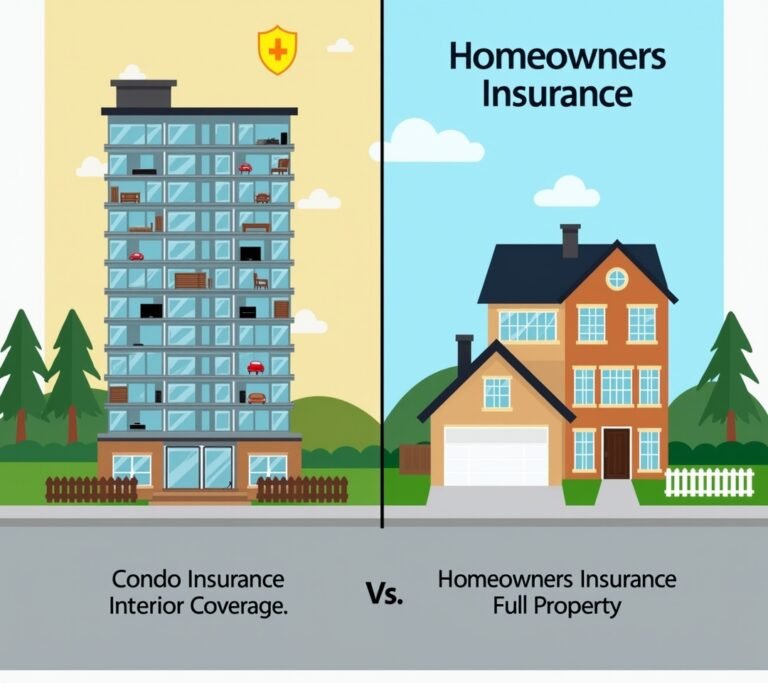
Condo Insurance vs. Homeowners Insurance: Key Differences
Condo owners need different coverage than homeowners. Your HOA covers some things — but not everything inside your unit. Here's exactly where your association's policy ends and yours begins.

Condo owners need different coverage than homeowners. Your HOA covers some things — but not everything inside your unit. Here's exactly where your association's policy ends and yours begins.
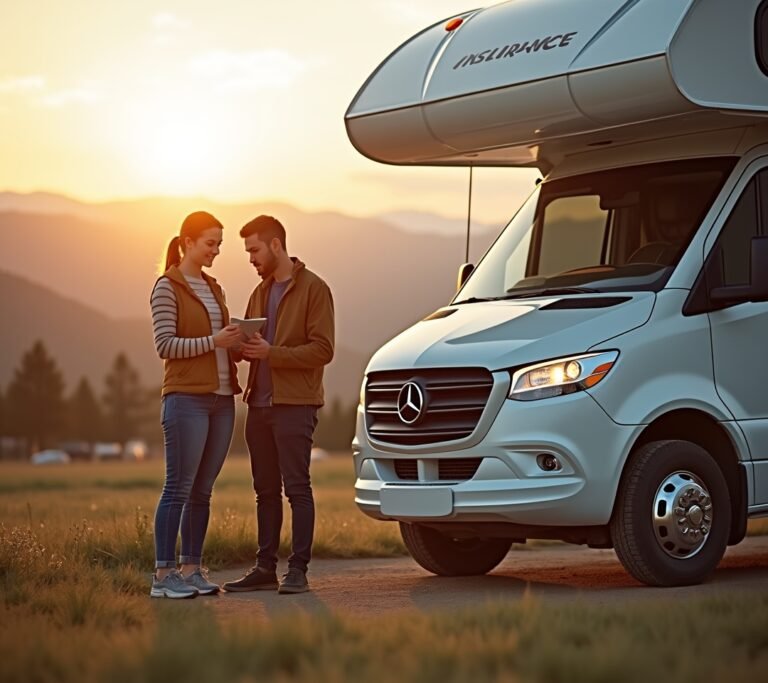
RV insurance is part auto, part home — and the coverage you need depends on how you use it. Here's a complete breakdown for full-timers, weekend campers, and everyone in between.

Some states require boat insurance, others don't — but that doesn't mean you should skip it. Here's what boat insurance covers, what it costs, and when it's truly worth having.

Motorcycle insurance works differently than car insurance — and not every state requires the same coverage. Here's what each policy type covers and how to get the right protection.

Standard auto insurance undervalues classic cars. Specialty classic car insurance uses agreed value and mileage limits to protect your investment the right way.

Before you pay for the rental counter's insurance, check what your own policy already covers. This guide breaks down every source of rental car coverage so you don't pay twice.

PIP covers your medical bills after an accident regardless of who caused it. Learn which states require it, what it pays for, and how it stacks up against your health insurance.
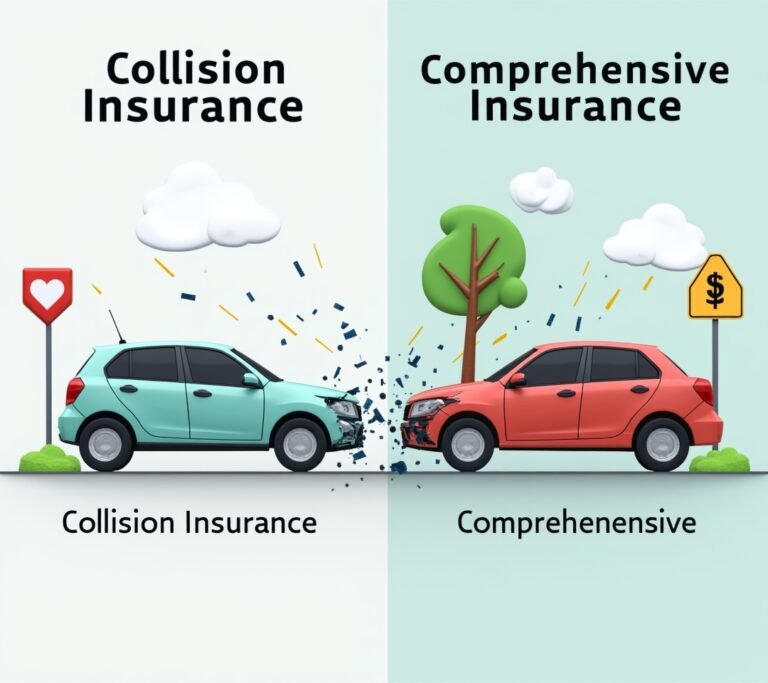
Collision covers accidents you're in. Comprehensive covers almost everything else. Here's a clear breakdown of both coverages and how to decide which ones your car actually needs.

Before your policy is approved, an underwriter evaluates your risk. Here's what they look at, why it affects your premium, and what can get your application flagged or declined.