

What Is a Grace Period in Insurance?
Most insurers give you a grace period after a missed payment before canceling your policy. Here's how long it typically lasts, what's still covered, and how to avoid a lapse.

Most insurers give you a grace period after a missed payment before canceling your policy. Here's how long it typically lasts, what's still covered, and how to avoid a lapse.
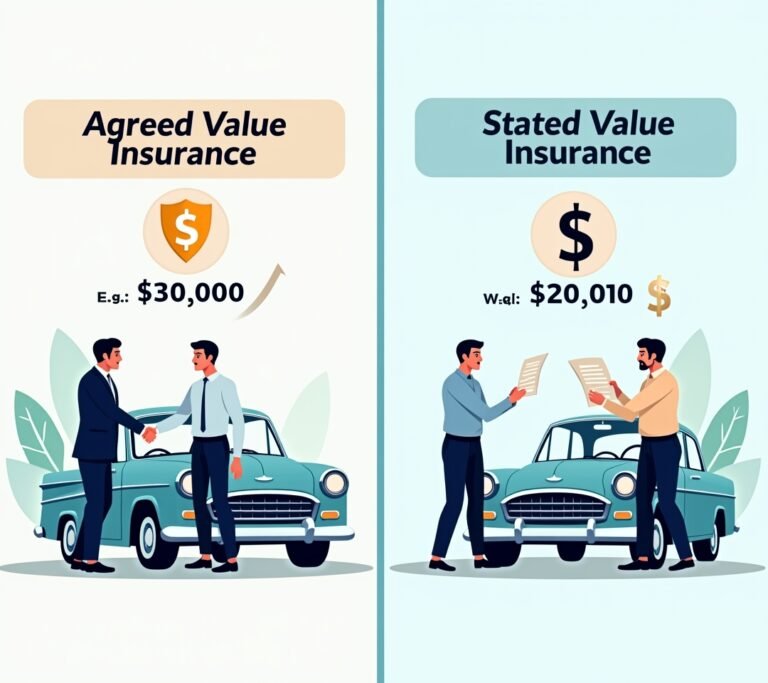
Agreed value and stated value policies sound similar but pay out very differently. If you own a classic car or collectible, knowing the difference could save you from a major loss.

An insurance binder is proof of temporary coverage issued before your policy is finalized. Here's when lenders and landlords require one and how to get it fast.

Subrogation lets your insurer recover money from the party responsible for your loss. Here's how it works, what it means for your claim, and whether it affects your premium.

The declarations page is the one-page summary of your entire policy. This guide walks you through every section so you know exactly what you're covered for before anything happens.

Every insurance policy has exclusions — events or damages it simply won't cover. Knowing yours before you file a claim can save you thousands in surprises.

Perils are the events your policy protects you against. Learn the difference between covered and excluded perils, and why this distinction could make or break your next claim.

A copay is a fixed amount you pay each time you use a covered service. Here's exactly when copays apply, how they differ from deductibles, and what to expect at each visit.

Your insurance premium is what you pay to keep your policy active. This plain-English guide explains how premiums work and what actually drives your rate up or down.