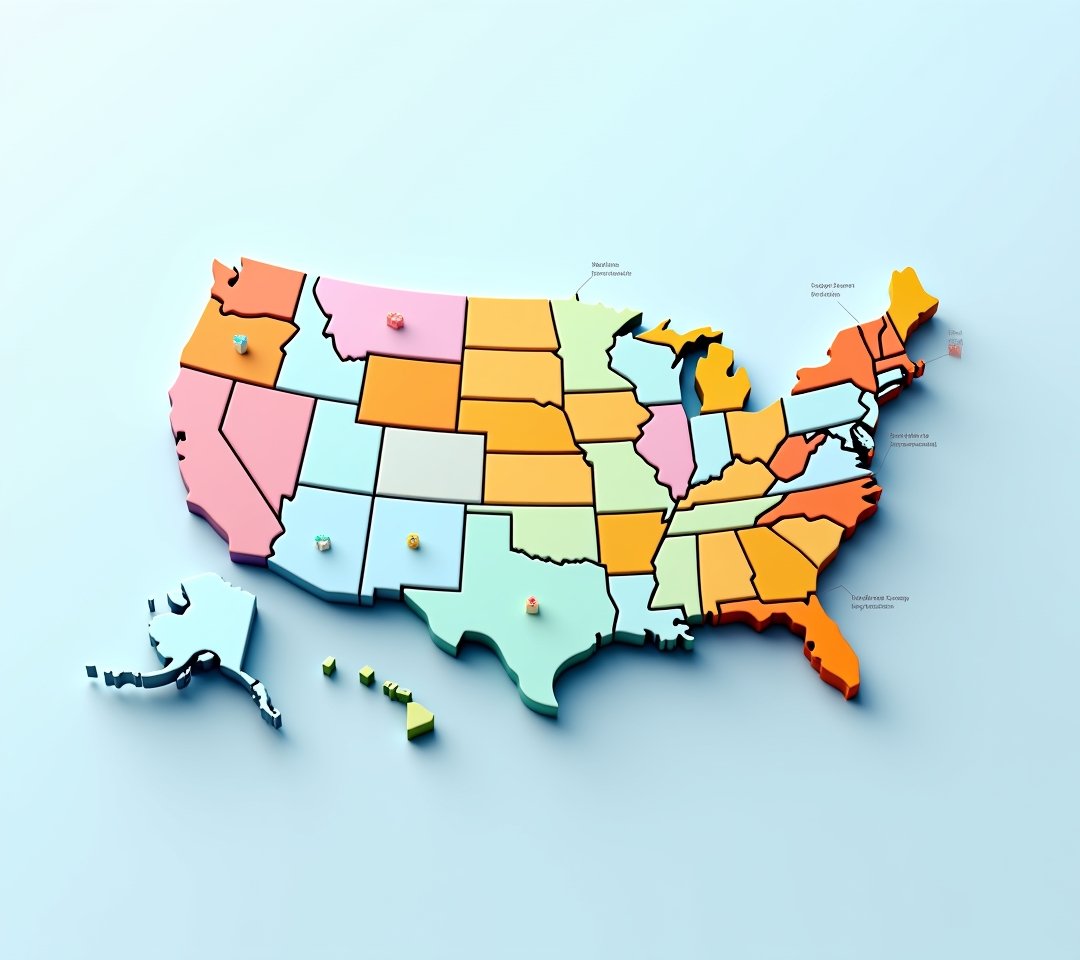
Home Insurance Requirements by State: What I Wish I’d Known Before Moving
Here’s a fun stat that blew my mind — roughly 12% of homeowners in the U.S. don’t carry any homeowners insurance at all. I used to be one of those people who just assumed the rules were the same everywhere. Boy, was I wrong.
When I relocated from Texas to Florida back in 2019, I got a rude awakening about how different home insurance requirements by state actually are. My mortgage lender basically laughed at my old policy and told me I needed way more coverage. So let me save you from the same headache I went through.
Is Home Insurance Legally Required?
Okay, so this trips people up all the time. Technically, no state legally mandates that you carry homeowners insurance. There’s no law on the books saying you’ll get fined for not having a policy.
But here’s the catch — if you have a mortgage, your lender absolutely requires it. And since most of us aren’t buying homes outright with cash, it’s basically mandatory for the vast majority of homeowners. If you skip it, your lender will buy a policy for you called “force-placed insurance,” and trust me, it’s way more expensive and covers way less.
States Where Things Get Complicated
This is where it gets interesting. Some states have additional insurance requirements that go beyond a standard homeowners policy, and they caught me completely off guard.
Hurricane and Windstorm Prone States
If you live in Florida, Texas, Louisiana, or along the Gulf Coast, you’ll likely need separate windstorm coverage. Standard home insurance policies in these areas often exclude wind damage entirely. I learned this the hard way when my Florida agent showed me what my base policy actually covered — spoiler, it wasn’t much.
Florida homeowners often have to go through Citizens Property Insurance, the state’s insurer of last resort, if they can’t find coverage on the private market. It’s not ideal, but sometimes it’s your only option.
Earthquake and Flood Zones
California residents need to think seriously about earthquake insurance, which is sold separately through the California Earthquake Authority. Standard policies don’t cover earthquake damage in any state, actually.
And flooding? That’s a whole other animal. No standard homeowners policy covers flood damage, regardless of what state you’re in. You’ll need a separate flood insurance policy, typically through FEMA’s National Flood Insurance Program. If your home sits in a high-risk flood zone, your mortgage lender will require it.
State-by-State Coverage Minimums and Quirks
While there aren’t official state-mandated minimums for homeowners insurance, lenders in different states have varying expectations. Here’s what I’ve noticed from my own experiences and from talking to insurance agents across different moves:
- Texas: Lenders typically require coverage equal to at least the replacement cost of your home. Windstorm and hail coverage is often separate in coastal counties.
- Florida: Many insurers require hurricane deductibles ranging from 2% to 5% of your dwelling coverage. That’s a percentage, not a flat dollar amount, which can sting.
- California: Wildfire risk has made it increasingly difficult to even find coverage in certain zip codes. Some homeowners are being dropped by insurers left and right.
- New York: Standard policies are generally sufficient, but co-op and condo owners need specialized HO-6 policies.
- Oklahoma and Kansas: Tornado alley states where insurers often have higher deductibles for wind and hail damage.
The differences are honestly wild once you start comparing them side by side.
My Biggest Mistake (So You Don’t Repeat It)
When I moved to Florida, I just assumed my insurance agent would automatically include everything I needed. He didn’t. I went almost three months without proper windstorm coverage and didn’t realize it until a neighbor mentioned her separate wind policy over coffee.
My advice? Always ask your agent specifically what’s excluded from your policy. Don’t assume anything is covered just because it seems obvious. And get everything in writing — I cannot stress that enough.
The Bottom Line for Protecting Your Home
Understanding home insurance requirements by state isn’t just boring paperwork stuff — it’s genuinely important for protecting what’s probably your biggest investment. Every state has its own risks, its own quirks, and its own insurance landscape that you need to navigate carefully.
Take some time to research what’s specific to your state and talk to a local independent agent who knows the area. Customize your coverage based on where you actually live, not where you used to live. And please, don’t skip flood or windstorm coverage just because it’s “optional.”
If you found this helpful, check out more guides and tips over at Coverage Crafters — we break down insurance topics so they actually make sense. Your future self will thank you!
Leave a Reply