How I Saved Over $600 a Year by Actually Shopping for Cheap Car Insurance Quotes
Here’s a stat that still blows my mind: most drivers are overpaying for auto insurance by an average of $500 a year. Five hundred bucks! I know because I was one of those people for way too long. I just kept auto-renewing my policy like some kind of loyalty robot, never questioning whether I was getting the best deal.
Finding cheap car insurance quotes isn’t some mythical quest reserved for finance gurus. It’s honestly one of the easiest ways to save real money, and I wish someone had sat me down years ago and told me what I’m about to tell you.
Why I Was Paying Way Too Much (And You Probably Are Too)
So here’s my embarrassing confession. For about six years, I stuck with the same insurance provider because switching felt like a hassle. I figured loyalty would be rewarded with lower premiums eventually. Spoiler alert: it wasn’t.
When I finally compared car insurance rates online, I realized my provider had been slowly hiking my premium each renewal period. We’re talking small increases, like $15 here, $20 there, that I barely noticed. But over time, those little bumps added up to me paying $612 more per year than I needed to.
Insurance companies count on this kind of inertia. They know most people won’t bother shopping around for affordable auto insurance, so they quietly raise rates on loyal customers. It’s frustrating, but once you know the game, you can beat it.
Where to Actually Find the Best Cheap Car Insurance Quotes
Alright, let’s get into the practical stuff. When I finally decided to get serious about finding low-cost car insurance, I used a few different approaches that worked really well together.
- Comparison websites: Tools like The Zebra and NerdWallet’s insurance comparison tool let you see multiple quotes side by side in minutes. This was a total game-changer for me.
- Direct insurer websites: Sometimes going straight to companies like Geico, Progressive, or State Farm gives you exclusive online discounts that don’t show up on comparison sites.
- Independent insurance agents: These folks work with multiple carriers and can sometimes find deals you’d never stumble on yourself. I found mine through a recommendation from a coworker, and honestly, it was worth the phone call.
- Your state’s insurance department: Most states publish rate comparison guides. The National Association of Insurance Commissioners is a great starting point for understanding what’s available in your area.
Tricks That Actually Lowered My Premium
Getting quotes is just the first step. There are some surprisingly simple ways to bring those numbers down even further, and I stumbled onto a few of them by accident.
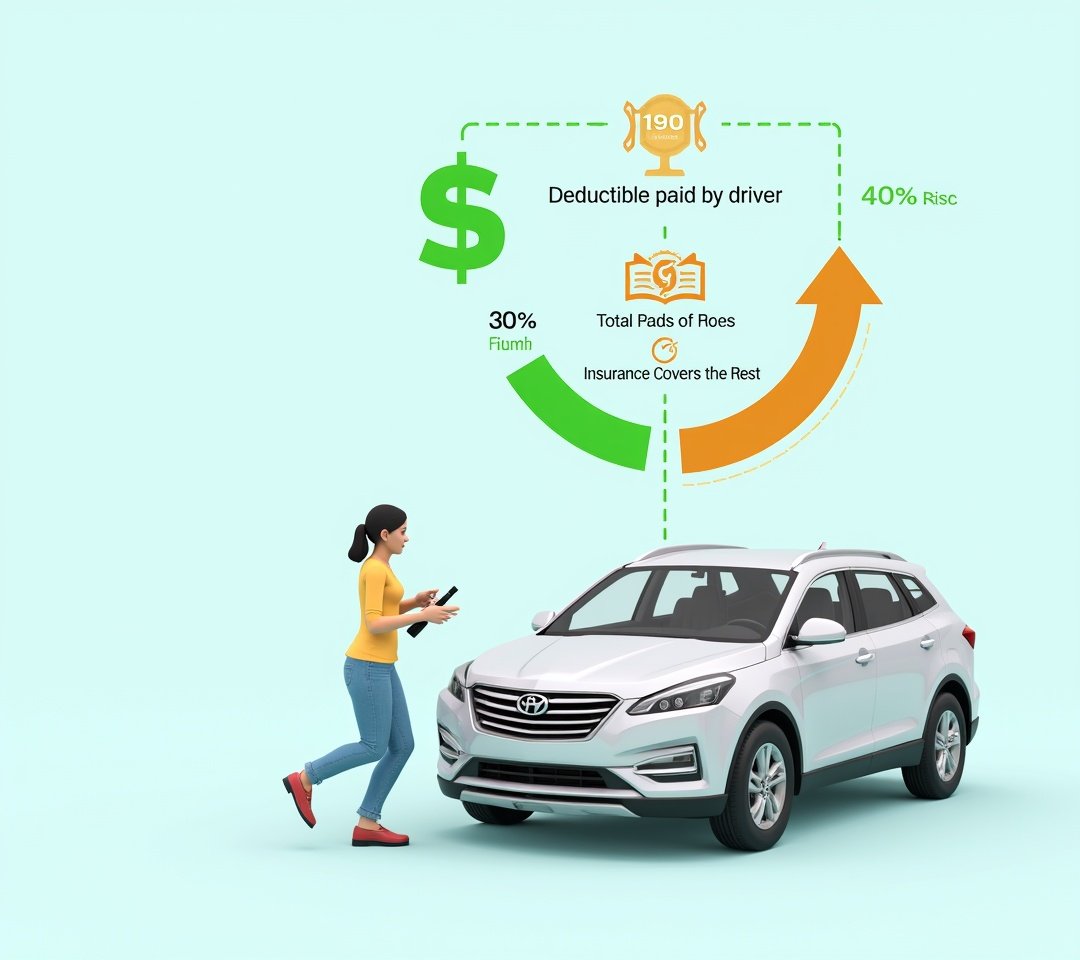
Bundling my auto and renters insurance saved me about 15%. I also raised my deductible from $500 to $1,000, which knocked another chunk off my monthly payment. Was I a little nervous about the higher deductible? Yeah, honestly. But the math made sense for my situation.
Here’s one that caught me off guard — my credit score actually affects my insurance rate in most states. When I cleaned up some old credit card debt and my score went up, my next round of discount car insurance quotes came back noticeably cheaper. Also, don’t forget to ask about low mileage discounts if you work from home or have a short commute. That one alone saved me like $8 a month, which ain’t nothing.
The One Mistake You Absolutely Need to Avoid
I gotta be real with you on this one. When you’re chasing the cheapest possible rate, it’s tempting to slash your coverage to the bare minimum. I almost did this myself, opting for just state minimum liability coverage to save a few bucks.
A friend who works in claims talked me out of it. She told me stories about people with minimum coverage getting into accidents and being personally responsible for tens of thousands of dollars in damages. So yeah, cheap car insurance quotes are great, but make sure you’re not sacrificing essential coverage like collision, comprehensive, or adequate liability limits just to save $30 a month. It’s not worth the risk.
Your Wallet Will Seriously Thank You
Look, spending 30 minutes comparing auto insurance quotes online could literally save you hundreds of dollars this year. That’s money for groceries, a weekend trip, or just breathing a little easier each month. The key is to compare at least three to five quotes, ask about every possible discount, and revisit your policy every six to twelve months.
Your situation is unique, so customize these tips to fit your driving habits, your budget, and your coverage needs. And if you want more money-saving strategies like this, check out the other guides on Coverage Crafters — we’re always digging into ways to help you get smarter about insurance without losing your mind over it.