Blog

  • Renters Insurance: Why Every Tenant Needs It

    Renters Insurance: Why Every Tenant Needs It

    Renters Insurance: Why You Need It (Even If You Think You Don’t)

    Here’s a stat that honestly blew my mind — according to the Insurance Information Institute, only about 55% of renters in the U.S. actually have renters insurance. That means nearly half of all renters are out there completely unprotected. I used to be one of them, and let me tell you, I learned the hard way why that’s a terrible idea!

    Look, I get it. When you’re already paying rent, utilities, and trying to keep the fridge stocked, the last thing you want is another bill. But renters insurance is one of those things that seems pointless — until the moment it becomes the most important purchase you’ve ever made.

    What Exactly Is Renters Insurance?

    So let’s break it down real quick. Renters insurance is a policy that covers your personal belongings, provides liability protection, and can even help pay for temporary housing if your place becomes unlivable. Your landlord’s insurance? That only covers the building itself — not your stuff inside it.

    Most standard policies include three main types of coverage: personal property protection, personal liability coverage, and additional living expenses. It’s basically a safety net for your entire life inside that apartment or rental home. And honestly, it’s way more affordable than most people think.

    The Night Everything Changed for Me

    A few years back, my upstairs neighbor left their bathtub running. I’m not even exaggerating — I came home from work to find water literally dripping through my ceiling onto my laptop, my couch, and a box of family photos I’d been meaning to organize for years. It was devastating.

    At the time, I didn’t have renters insurance. I just assumed my landlord would cover the damage since it wasn’t my fault. Spoiler alert: they didn’t. I was out roughly $3,000 replacing electronics and furniture, and those photos were gone forever.

    That was the wake-up call I needed. I signed up for a policy the very next week, and it cost me about $15 a month. Fifteen bucks! I spend more than that on coffee.

    It’s Not Just About Your Stuff

    Here’s something a lot of people don’t realize — renters insurance covers way more than just your belongings. The liability portion of your policy is lowkey one of the most valuable parts. If someone slips and falls in your apartment, or if your dog bites a visitor, you could be held personally responsible for medical bills and legal fees.

    According to the National Association of Insurance Commissioners, liability coverage in a renters policy typically starts at around $100,000. That kind of protection for just a few dollars a month is honestly a no-brainer. Without it, a single lawsuit could wreck your finances.

    What Does a Typical Policy Cover?

    Let me lay it out for you because I wish someone had done this for me earlier:

    • Theft and burglary — if someone breaks in and steals your electronics, jewelry, or other valuables
    • Fire and smoke damage — even if the fire starts in another unit
    • Water damage from burst pipes or accidental overflow (not flooding though, that’s separate)
    • Vandalism and certain weather-related events like windstorms
    • Liability if someone gets injured in your rental
    • Additional living expenses if you’re temporarily displaced

    One thing to watch out for — flood damage and earthquake damage are usually not included in standard renters insurance policies. If you live in a flood-prone area, you’d need a separate flood insurance policy through FEMA’s program. I learned this during a particularly stressful conversation with an insurance agent, so just keep that in mind.

    How to Get the Best Deal

    Shopping around is huge. Don’t just go with the first quote you find. I compared like five different companies before settling on my current policy, and the price difference between the cheapest and most expensive was almost double.

    Also, bundling your renters insurance with auto insurance can save you a nice chunk of change. Most major providers offer a multi-policy discount. And make sure you do a home inventory — take photos of your belongings and keep receipts when you can, because filing a claim without documentation is a nightmare.

    Don’t Wait Until It’s Too Late

    If there’s one thing I’ve learned from my soggy ceiling disaster, it’s that you never think something bad will happen to you — until it does. Renters insurance is cheap, it’s easy to set up, and it gives you genuine peace of mind. Take it from someone who had to replace a waterlogged laptop out of pocket.

    Every renter’s situation is different, so make sure you tailor your coverage to fit your actual needs and the value of your belongings. And if you want to keep learning about protecting yourself and your home, head over to the Coverage Crafters blog for more practical insurance tips and guides. Trust me, future you will be grateful!

  • Home Insurance Explained: What Does It Really Cover?

    Home Insurance Explained: What Does It Really Cover?

    Home Insurance Coverage Explained: What I Wish I Knew Before My First Claim

    Here’s a stat that honestly blew my mind — nearly 1 in 20 insured homes files a claim every single year. I used to think home insurance was just one of those things you buy and forget about, kind of like that gym membership collecting dust. But then a pipe burst in my basement three years ago, and suddenly I was scrambling to understand what my policy actually covered!

    Understanding your home insurance coverage isn’t just smart — it’s essential. So let me walk you through everything I’ve learned, mostly the hard way.

    What Exactly Is Home Insurance?

    At its core, a homeowners insurance policy is a contract between you and your insurance company. They agree to pay for certain losses and damages in exchange for your premium payments. Sounds simple enough, right?

    Well, the devil’s in the details. Your standard policy, often called an HO-3 policy, typically bundles several types of protection together. Think of it like a combo meal — you’re getting multiple coverages packaged into one plan.

    The Six Parts of a Standard Policy

    Most homeowners policies are broken down into six main coverage areas. I’m gonna be real with you, I didn’t learn about half of these until after that basement flood.

    Dwelling Coverage (Coverage A)

    This is the big one. Dwelling coverage protects the physical structure of your home — walls, roof, built-in appliances, the whole thing. If a fire tears through your kitchen or a tree crashes into your living room, this is what kicks in.

    One mistake I made was not updating my dwelling coverage limit after we renovated the kitchen. Make sure your coverage amount reflects the actual rebuilding cost of your home, not the market value.

    Other Structures Coverage (Coverage B)

    Got a detached garage, shed, or fence? That’s where Coverage B comes in. It’s usually set at about 10% of your dwelling coverage amount, which honestly caught me off guard when I found out.

    Personal Property Coverage (Coverage C)

    This covers your stuff — furniture, electronics, clothing, all of it. Here’s a pro tip I wish someone had told me sooner: do a home inventory. Seriously, just walk through your house with your phone and record everything. The Know Your Stuff app from the National Association of Insurance Commissioners is really handy for this.

    Also, there are limits on high-value items like jewelry and art. If you got expensive things, you might need a scheduled personal property endorsement, which is basically extra coverage for those items.

    Loss of Use Coverage (Coverage D)

    If your home becomes uninhabitable after a covered loss, this pays for additional living expenses. Hotel stays, restaurant meals, even laundry costs can be covered. When my neighbor’s family had to relocate after a kitchen fire, this coverage was an absolute lifesaver for them.

    Personal Liability Coverage (Coverage E)

    This one’s lowkey super important. If someone gets hurt on your property and sues you, liability protection covers legal fees and damages. Most policies start at $100,000, but honestly? I’d recommend bumping that up to at least $300,000. Lawsuits get expensive fast.

    Medical Payments Coverage (Coverage F)

    Unlike liability coverage, medical payments to others kicks in regardless of who’s at fault. If a guest trips on your porch steps, this helps cover their medical bills without a lawsuit being filed. It’s usually a smaller amount — like $1,000 to $5,000 — but it’s a nice goodwill gesture that can prevent bigger problems.

    What’s NOT Covered (This Is Where I Got Burned)

    Standard home insurance policies don’t cover everything, and this is where folks get tripped up. Floods, earthquakes, and general wear and tear are typically excluded. I assumed my burst pipe damage was straightforward, but because part of the issue was traced back to poor maintenance, some of the claim was denied.

    For flood protection, you’ll need a separate policy through the National Flood Insurance Program or a private insurer. Same deal with earthquake coverage in many states.

    Your Next Step Starts Here

    Look, home insurance doesn’t have to be confusing — it just takes a little time to actually read through your policy and ask questions. Don’t wait for a disaster to figure out what you’re covered for. Review your policy annually, update your home inventory, and talk to your agent about any gaps.

    And if you want to keep learning about protecting what matters most, head over to Coverage Crafters for more guides written in plain English. We’ve got plenty more where this came from!

  • How to File a Car Insurance Claim Step by Step

    How to File a Car Insurance Claim Step by Step

    How to File a Car Insurance Claim (Without Losing Your Mind)

    Here’s a fun stat for you — the average American will file a car insurance claim roughly once every 17.9 years. Sounds rare, right? Well, when it actually happens to YOU, it feels like the most overwhelming thing in the world! I remember my first fender bender like it was yesterday, standing on the side of the road with shaking hands, absolutely clueless about what to do next. Filing a car insurance claim doesn’t have to be a nightmare, though. Let me walk you through the whole process so you’re way more prepared than I was.

    Step One: Stay Calm and Document Everything at the Scene

    Okay, I know “stay calm” sounds like the most annoying advice ever. But seriously, panicking is what made me forget to take photos of the damage the first time around. That mistake cost me weeks of back-and-forth with my insurance adjuster.

    Before you even think about calling your insurance company, handle the immediate stuff at the accident scene. Make sure everyone is safe, call 911 if there are injuries, and move your vehicle out of traffic if possible. Then grab your phone and start snapping pictures — the damage to all vehicles, the surrounding area, license plates, traffic signs, everything.

    Also, exchange information with the other driver. You’ll need their name, phone number, insurance provider, and policy number. If there are witnesses, get their contact info too. I once had a witness disappear before I could talk to them and it was a total headache later. The NHTSA has some great resources on what to do immediately following a car accident.

    Contact Your Insurance Company ASAP

    Here’s something I learned the hard way — most insurance policies require you to report an accident promptly. Some even have specific timeframes. Don’t wait a week like I did that one time thinking the damage “wasn’t that bad.”

    Call your insurance provider or use their mobile app to start the claims process. Companies like State Farm, GEICO, and Progressive all have pretty solid apps now that let you file a claim right from the scene. When you call, have your policy number ready along with all the documentation you gathered.

    The claims representative will ask you for basic details — when and where the accident happened, what occurred, and whether a police report was filed. Speaking of which, always file a police report. Even for minor accidents. Trust me on this one, it makes the whole insurance claim process so much smoother.

    Understanding What Happens After You File

    So you’ve filed the claim. Now what? Your insurance company will assign a claims adjuster to your case. This person is basically gonna be your point of contact throughout the entire process.

    The adjuster will review your claim, examine the vehicle damage, and determine how much the insurance company will pay out. Sometimes they’ll send someone to inspect your car in person, other times they might ask you to get repair estimates from local auto body shops. According to the National Association of Insurance Commissioners, you have the right to choose your own repair shop — don’t let anyone tell you otherwise.

    One thing that really surprised me was how long the process can take. A straightforward claim might get resolved in a couple weeks, but anything involving disputes or injuries could drag on for months. Patience is key here, even though it’s incredibly frustrating.

    Common Mistakes That Can Mess Up Your Claim

    • Admitting fault at the scene — let the insurance companies figure that out

    • Not taking enough photos or documentation

    • Waiting too long to report the accident to your insurer

    • Accepting the first settlement offer without reviewing it carefully

    • Forgetting to keep receipts for rental cars, towing, or medical expenses

    That last one bit me once. I paid out of pocket for a rental car and didn’t keep the receipt because I’m a genius apparently. My rental reimbursement coverage was completely useless without proof of expense.

    You’ve Got This — Seriously

    Filing a car insurance claim feels intimidating, but once you’ve been through it, you realize it’s mostly about being organized and proactive. Document everything, report quickly, communicate clearly with your adjuster, and don’t be afraid to ask questions. Every situation is a little different, so adapt these steps to fit your specific circumstances.

    And remember — always review your auto insurance policy before an accident happens so you actually know what’s covered. Prevention and preparation beat panic every single time. For more tips on navigating insurance like a pro, check out other posts on the Coverage Crafters blog — we’ve got plenty of guides to help you stay covered and confident on the road!

  • Teen Driver Insurance: What Parents Need to Know

    Teen Driver Insurance: What Parents Need to Know

    Teen Driver Car Insurance Costs: What I Wish Someone Had Told Me Before My Kid Got Behind the Wheel

    Here’s a number that nearly made me spit out my coffee — adding a teen driver to your car insurance can increase your premium by 50% to 100%, according to NerdWallet. Yeah, you read that right. When my oldest got her learner’s permit back in 2021, I thought I was financially prepared, but honestly? I was not even close.

    Understanding teen driver car insurance costs isn’t just about budgeting. It’s about making smart decisions that protect your family and your wallet at the same time. So let me walk you through everything I’ve learned — mostly the hard way.

    Why Is Car Insurance So Expensive for Teen Drivers?

    Insurance companies are basically in the business of calculating risk. And teenagers, bless their hearts, are statistically the riskiest drivers on the road. The CDC reports that drivers aged 16-19 are nearly three times more likely to be in a fatal crash compared to drivers 20 and older.

    So when my insurance agent explained why my premium was about to skyrocket, it actually made sense. Inexperience behind the wheel, a tendency toward distracted driving, and let’s be honest — sometimes questionable decision-making all factor in. It’s not personal, it’s just math.

    How Much Does It Actually Cost to Insure a Teen?

    On average, adding a teenager to an existing auto insurance policy costs somewhere between $1,500 and $3,500 per year. The exact amount depends on a bunch of stuff — your state, your insurer, your teen’s age, and even the type of car they’ll be driving.

    I remember getting quotes and feeling like each one was more outrageous than the last. Full coverage for a teen on their own policy? That can run over $6,000 annually. Adding them to a parent’s policy is almost always the cheaper route, which is what we ended up doing.

    Discounts That Actually Saved Me Money

    Okay, here’s where things get a little brighter. There are legit discounts out there that can bring those teen driver insurance rates down significantly. You just gotta know where to look.

    • Good student discount: Most insurers offer 10-25% off if your teen maintains a B average or higher. My daughter’s good grades literally paid off here.
    • Defensive driving course: Completing an approved driver safety course can knock off another 5-15%. We found one through our state’s DMV website.
    • Telematics or usage-based programs: Companies like Progressive’s Snapshot or State Farm’s Drive Safe & Save monitor driving habits. My kid was annoyed by it at first, but it saved us real money.
    • Low mileage discount: If your teen isn’t driving much — say they’re mostly at school — this one’s worth asking about.

    Honestly, stacking these discounts together saved us close to $800 a year. That’s not nothing!

    Picking the Right Car Makes a Huge Difference

    This is something I almost messed up. My daughter wanted a sporty little coupe and I was tempted to say yes because, well, it was cheap to buy. But insuring a sports car for a teen? Absolute nightmare pricing.

    We ended up going with a used Honda CR-V — safe, reliable, and way cheaper to insure. The Insurance Institute for Highway Safety (IIHS) has great resources for finding vehicles with top safety ratings, which insurers love. Choosing a car with advanced safety features like automatic emergency braking and lane departure warnings was a total game-changer for our premium.

    Mistakes I Made That You Should Avoid

    First mistake — I waited too long to shop around. I just assumed my current insurer would give me the best deal because I’d been loyal for years. Spoiler: they didn’t. Getting quotes from at least three or four companies is absolutely essential.

    Second mistake — I didn’t increase my deductible right away. Bumping it from $500 to $1,000 lowered our monthly payment noticeably. It felt risky at the time, but it was the right call for our situation. Third mistake was not asking about bundling discounts sooner — combining home and auto saved us even more.

    The Road Ahead

    Look, teen driver car insurance costs are gonna sting no matter what. There’s no way around that. But with a little research, the right discounts, and a sensible vehicle choice, you can soften the blow pretty significantly.

    Every family’s situation is different, so take what works from my experience and customize it for yours. And above all, keep the focus on safety — because no amount of savings is worth your teen’s well-being. If you found this helpful, head over to Coverage Crafters for more tips on navigating insurance without losing your mind!

  • Gap Insurance Explained: Is It Worth Paying For?

    Gap Insurance Explained: Is It Worth Paying For?

    Gap Insurance Explained: Is It Worth It or Just Another Upsell?

    Here’s a stat that honestly blew my mind when I first heard it — a brand new car loses roughly 20% of its value the moment you drive it off the lot. Twenty percent! I learned this the hard way back in 2019 when my wife’s SUV got totaled just eleven months after we bought it. The insurance payout covered what the car was “worth” at that point, but we still owed almost $4,000 more on the loan. That gap between what we owed and what the insurer paid? Yeah, it came straight out of our savings. If only someone had sat me down and explained gap insurance before that happened.

    So What Exactly Is Gap Insurance?

    Gap insurance — which stands for Guaranteed Asset Protection — is a type of auto coverage that pays the difference between what your car is currently worth and what you still owe on your loan or lease. Standard car insurance only covers the actual cash value of your vehicle at the time of a total loss. That’s it.

    Think of it this way. You buy a car for $35,000, and two years later it gets totaled in an accident. Your regular auto insurance says the car is now worth $26,000, but you still owe $30,000 on your auto loan. Gap coverage would kick in and cover that $4,000 difference so you’re not stuck paying for a car you can’t even drive anymore. Pretty straightforward, right?

    When Gap Insurance Is Actually Worth Every Penny

    Not everyone needs gap insurance, but there are some situations where skipping it is honestly just asking for trouble. Here’s when it really makes sense:

    • You put less than 20% down on your vehicle purchase.
    • You’re leasing a car — many lease agreements actually require gap coverage.
    • You financed for 60 months or longer, which is super common these days.
    • You rolled negative equity from an old car loan into your new one.
    • You bought a vehicle that depreciates fast, like certain sedans or economy cars.

    I remember a buddy of mine who financed a new Nissan for 72 months with zero down. I practically begged him to get gap protection. He didn’t listen. Six months later, someone rear-ended him on the highway and the car was declared a total loss. He ended up owing over $6,000 out of pocket. Painful lesson, man.

    When You Can Probably Skip It

    Now, I’m not gonna sit here and tell you everyone needs gap insurance because that’s just not true. If you made a large down payment — like 20% or more — your loan balance probably won’t exceed your car’s depreciated value. Same thing if you’re driving a vehicle that holds its value well, like most Toyotas or Hondas.

    Also, if your loan term is short, say 36 months, the gap between your balance and the car’s value stays pretty small. And obviously if you own the car outright, gap insurance is completely irrelevant. You’d be wasting your money at that point.

    Where to Buy It (and Where NOT to)

    Here’s where I messed up that one time we actually did buy gap coverage for our second car. We got it through the dealership, and they charged us around $800 tacked right onto the loan. Turns out, you can get the same exact gap insurance through most major auto insurers for like $20 to $40 per year. That’s a fraction of the cost!

    Companies like Progressive and State Farm offer gap coverage as an add-on to your existing policy. So before you sign anything at the dealership’s finance office, do yourself a favor and call your insurance company first. The savings can be huge.

    The Bottom Line — Should You Get It?

    Gap insurance isn’t some gimmick or unnecessary dealer upsell. For the right person, in the right situation, it’s genuinely one of the smartest financial moves you can make when buying or leasing a car. But for others, it’s money down the drain. The key is understanding your specific loan-to-value ratio and how fast your vehicle depreciates.

    Every situation is different, so take a hard look at your numbers before deciding. And hey, if you found this helpful, we’ve got a ton of other insurance guides and breakdowns over at Coverage Crafters — go poke around and make sure you’re not overpaying or underprotected on any of your policies. Your future self will thank you!

  • SR-22 Insurance: What It Is and How to Get It

    SR-22 Insurance: What It Is and How to Get It

    SR-22 Insurance Requirement: Everything You Need to Know (Without the Panic)

    Here’s a fun stat for you — roughly 1 in 7 drivers on the road doesn’t carry proper insurance. And if you’ve ever been caught in that group, or made a mistake behind the wheel, you’ve probably heard three little letters that can make your stomach drop: SR-22. I remember the first time I heard it, sitting in a cramped DMV office, thinking my driving life was basically over.

    Spoiler alert: it wasn’t. But man, I wish someone had explained the whole SR-22 insurance requirement to me like a normal human being instead of throwing legal jargon at my face. So that’s exactly what I’m gonna do for you today.

    What Exactly Is an SR-22?

    Let’s clear this up right away because I got it wrong for the longest time. An SR-22 is not a type of insurance. It’s actually a certificate — a form your insurance company files with your state’s DMV to prove you’re carrying the minimum required auto insurance coverage.

    Think of it like a permission slip, except it’s your insurer vouching for you. The DMV requires it after certain violations, and your insurance company is basically saying, “Yeah, we’ve got this person covered.” If your policy lapses for even a day, your insurer notifies the state, and things get ugly fast.

    Why Would You Need One?

    Nobody wakes up wanting an SR-22 filing on their record. It’s usually triggered by stuff like a DUI or DWI conviction, driving without insurance, getting too many traffic violations in a short period, or being involved in an at-fault accident without coverage. Each state handles things a little differently, so it’s worth checking your specific state’s requirements through the National Association of Insurance Commissioners.

    My buddy Jake got his after a second speeding ticket in six months — he had no idea that was even possible. The whole experience caught him completely off guard.

    How Long Does the SR-22 Requirement Last?

    This was the part that really got me frustrated. In most states, you’re looking at about three years of maintaining that SR-22 certificate. Some states require it for up to five years depending on the offense.

    And here’s the kicker — that clock resets if your insurance lapses. I learned that the hard way when I accidentally missed a payment by two days. Two days! My provider reported it, my license got suspended again, and the whole timeline started over. Don’t be like me, seriously. Set up autopay and forget about it.

    How Much More Will You Pay?

    Alright, let’s talk money because that’s what everyone really wants to know. An SR-22 filing fee itself is usually pretty cheap — somewhere between $15 and $50 depending on your insurer. But that’s not where the real cost hits you.

    The real financial sting comes from the high-risk auto insurance premiums. Because if you need an SR-22, you’ve been labeled a high-risk driver, and insurance companies are going to charge you accordingly. We’re talking anywhere from 30% to 300% more than standard rates. Shopping around is absolutely critical here — I cannot stress this enough.

    Sites like The Zebra let you compare quotes from multiple providers, which saved me a ridiculous amount of money when I was in this situation.

    Tips That Actually Helped Me

    • Don’t let your coverage lapse. Even for a day. Autopay is your best friend.
    • Shop around aggressively. Not every insurer charges the same rates for SR-22 policies, and some specialize in non-standard or high-risk coverage.
    • Ask about discounts. Defensive driving courses, bundling policies, and maintaining a clean record during your SR-22 period can all help bring costs down.
    • Know your state’s rules. Some states don’t even use SR-22s — they use an FR-44 instead. Virginia, I’m looking at you.
    • Mark your calendar. Know exactly when your SR-22 period ends so you can transition back to a standard policy and stop overpaying.

    It’s Not Forever — I Promise

    Look, dealing with an SR-22 insurance requirement feels overwhelming at first. It felt that way for me too. But it’s really just a temporary bump in the road — one that plenty of people navigate successfully every single year.

    The most important thing is staying informed and keeping your coverage active. Every situation is a little different, so make sure you tailor this information to your specific circumstances and state laws. And whatever you do, drive safe out there — not just for your wallet, but for everyone else on the road too.

    Want more straightforward advice on insurance topics that actually makes sense? Head over to Coverage Crafters and check out our other posts. We break down the confusing stuff so you don’t have to figure it out alone.

  • What Is Uninsured Motorist Coverage and Do You Need It?

    What Is Uninsured Motorist Coverage and Do You Need It?

    Uninsured Motorist Coverage Explained: What I Wish I Knew Before That Fender Bender

    Here’s a stat that still blows my mind — according to the Insurance Information Institute, roughly 1 in 8 drivers on the road has no insurance at all. One in eight! I learned what that actually means the hard way back in 2019 when a guy ran a red light and slammed into my passenger door in a grocery store parking lot. He had no insurance, no valid license, and honestly, no remorse.

    That’s when I discovered uninsured motorist coverage — and let me tell you, it saved my financial life. So let’s break it all down today because this stuff matters way more than most people realize.

    So What Exactly Is Uninsured Motorist Coverage?

    Uninsured motorist coverage (often called UM coverage) is a type of auto insurance that protects YOU when the other driver either has no insurance or doesn’t have enough to cover your damages. It’s basically your safety net for when someone else drops the ball.

    There’s actually two main types you should know about. Uninsured motorist bodily injury (UMBI) covers medical bills, lost wages, and pain and suffering. Then there’s uninsured motorist property damage (UMPD), which helps pay for repairs to your car.

    Some states bundle them together, some don’t. It’s kinda confusing, I know. Your best bet is checking your state’s specific requirements through the National Association of Insurance Commissioners website.

    Why You Absolutely Need This Coverage

    Look, I used to be one of those people who skimmed through my insurance policy and just picked the cheapest option. Big mistake. When that uninsured driver hit me, I was looking at about $8,000 in medical bills and another $4,500 in car repairs.

    Without UM coverage, I would’ve been stuck suing a guy who clearly had nothing to his name. Good luck collecting on that judgement, right? Fortunately, my agent had talked me into adding uninsured motorist protection a year earlier — and my policy covered almost everything.

    Here’s the thing most folks don’t think about. Uninsured motorist coverage also kicks in for hit-and-run accidents, which happen way more often than you’d expect. If someone sideswipes you in a parking lot and takes off, this coverage has your back.

    What About Underinsured Motorist Coverage?

    This is where it gets a little tricky, so stay with me. Underinsured motorist coverage (UIM) is the cousin of uninsured motorist coverage. It applies when the at-fault driver HAS insurance, but their policy limits aren’t enough to cover your expenses.

    Say someone causes an accident and their liability maxes out at $25,000, but your medical bills total $60,000. Underinsured motorist coverage would help bridge that gap. Many policies combine UM and UIM together, but not always — so you gotta ask your agent specifically.

    How Much Does It Actually Cost?

    This was the pleasant surprise for me. Adding uninsured motorist coverage to my policy only bumped my premium up by about $20-$40 per month. For the protection it provides, that’s honestly a steal.

    The cost varies depending on your state, driving record, and coverage limits. But compared to other types of car insurance add-ons, UM coverage is relatively affordable. I always tell my friends — it’s the best cheap insurance upgrade you can make.

    Is It Required by Law?

    It depends on where you live. Around 20 states and Washington D.C. require some form of uninsured motorist coverage. States like Illinois, Oregon, and New York mandate it, while others like California offer it but let you decline in writing.

    Even if your state doesn’t require it, I’d strongly recommend adding it anyway. The Consumer Financial Protection Bureau has some great resources on understanding auto insurance options if you want to dig deeper into what protections make sense for your situation.

    Don’t Wait Until It’s Too Late

    If there’s one thing my parking lot incident taught me, it’s that you can’t control other drivers. You can only control how prepared you are when things go sideways. Uninsured motorist coverage is one of those quiet heroes in your insurance policy — you forget about it until you desperately need it.

    Take 15 minutes today and review your policy. Call your agent. Ask the uncomfortable questions. And if you’re looking for more guides that break down insurance topics without all the corporate jargon, come hang out with us at Coverage Crafters — we’ve got plenty more where this came from!

  • How to Compare Car Insurance Quotes the Right Way

    How to Compare Car Insurance Quotes the Right Way

    How to Compare Car Insurance Quotes (Without Losing Your Mind)

    Here’s a stat that honestly blew me away — drivers who compare at least three car insurance quotes can save up to $500 a year on their premiums. Five hundred bucks! I learned this the hard way after spending nearly four years overpaying for coverage because I was too lazy to shop around. So trust me when I say, learning how to compare car insurance quotes properly is one of those life skills that literally pays you back.

    Let me walk you through everything I’ve figured out, mistakes and all.

    Why You Shouldn’t Just Renew on Autopilot

    I used to be that person. My policy would renew automatically every six months, and I’d just shrug and move on with my day. It wasn’t until a coworker mentioned she was paying almost half what I was for similar coverage that I realized something was off.

    Insurance companies are banking on your loyalty — and not in a good way. Your rates can creep up slowly over time, and they’re counting on you not noticing. According to the National Association of Insurance Commissioners, shopping around regularly is one of the best ways to make sure you’re getting a fair deal on your auto insurance policy.

    Step 1: Know What Coverage You Actually Need

    Before you start grabbing quotes from every comparison site out there, you gotta know what you’re looking for. This sounds obvious but I totally skipped this step my first time around and ended up comparing apples to oranges.

    Make sure you understand the basics:

    • Liability coverage (bodily injury and property damage)
    • Collision coverage
    • Comprehensive coverage
    • Uninsured/underinsured motorist protection
    • Personal injury protection (PIP), depending on your state

    Each state has minimum coverage requirements, so check yours at your state’s DMV page. Once you know your baseline, you can compare policies with the same coverage limits and deductibles. That’s the key right there — keep everything consistent when you’re comparing.

    Step 2: Gather Your Info Before You Start

    Nothing kills your momentum like having to stop mid-quote to go dig up your VIN number. Been there, done that, got frustrated, and abandoned the whole process for another three months.

    Here’s what you’ll want handy:

    • Your driver’s license number
    • Vehicle identification number (VIN)
    • Current mileage
    • Your driving history, including any accidents or tickets
    • Your current policy details for reference

    Having this stuff ready makes the whole process way smoother, I promise.

    Step 3: Use Multiple Channels to Get Quotes

    So this is where I messed up big time the first go-round. I only used one comparison website and called it a day. But here’s the thing — not all insurers show up on every platform.

    I’d recommend hitting at least three different sources. Try an online comparison tool like The Zebra or Policygenius, then get a couple quotes directly from individual insurer websites, and maybe even call a local independent insurance agent. Independent agents can sometimes find deals you won’t see online because they work with multiple carriers.

    It takes a little extra time, but the savings on your car insurance premium can be seriously worth it.

    Step 4: Don’t Just Look at the Price Tag

    Okay, this was my biggest lesson. The cheapest quote isn’t always the best quote. I once switched to a bargain provider and then had the worst claims experience of my life when someone rear-ended me at a stoplight. The customer service was basically nonexistent.

    When you’re comparing insurance quotes, also check the company’s financial strength rating on AM Best and read customer reviews. Look at what discounts are offered — bundling, safe driver, good student, low mileage. And pay attention to the claims process reputation because that’s what actually matters when things go sideways.

    Quick Comparison Checklist

    • Are the coverage limits and deductibles identical across quotes?
    • What discounts have been applied?
    • What’s the company’s customer satisfaction rating?
    • Is roadside assistance or rental car coverage included?
    • What’s the cancellation policy?

    Your Wallet Will Seriously Thank You

    Look, I know comparing car insurance quotes feels like a chore. It is one, honestly. But it’s one of those chores that can save you hundreds of dollars every year, and once you get a system down it only takes an afternoon.

    Everyone’s situation is different — your driving record, your vehicle, your state — so make sure you’re tailoring your search to your specific needs. And always be truthful on your applications because inaccurate information can come back to bite you during a claim.

    If you found this helpful, we’ve got a ton more guides and tips over at Coverage Crafters to help you navigate the wild world of insurance. Go poke around — your future self will appreciate it!

  • Liability vs. Full Coverage: What’s the Difference?

    Liability vs. Full Coverage: What’s the Difference?

    Liability vs Full Coverage Car Insurance: What I Wish Someone Told Me Before I Wrecked My Car

    Here’s a stat that still blows my mind — roughly 1 in 8 drivers on the road don’t even have insurance at all. Meanwhile, the rest of us are sitting here trying to figure out the difference between liability and full coverage car insurance, wondering if we’re paying too much or not enough. I’ve been on both sides of this debate, and let me tell you, I learned the hard way which one actually matters.

    So What Exactly Is Liability Car Insurance?

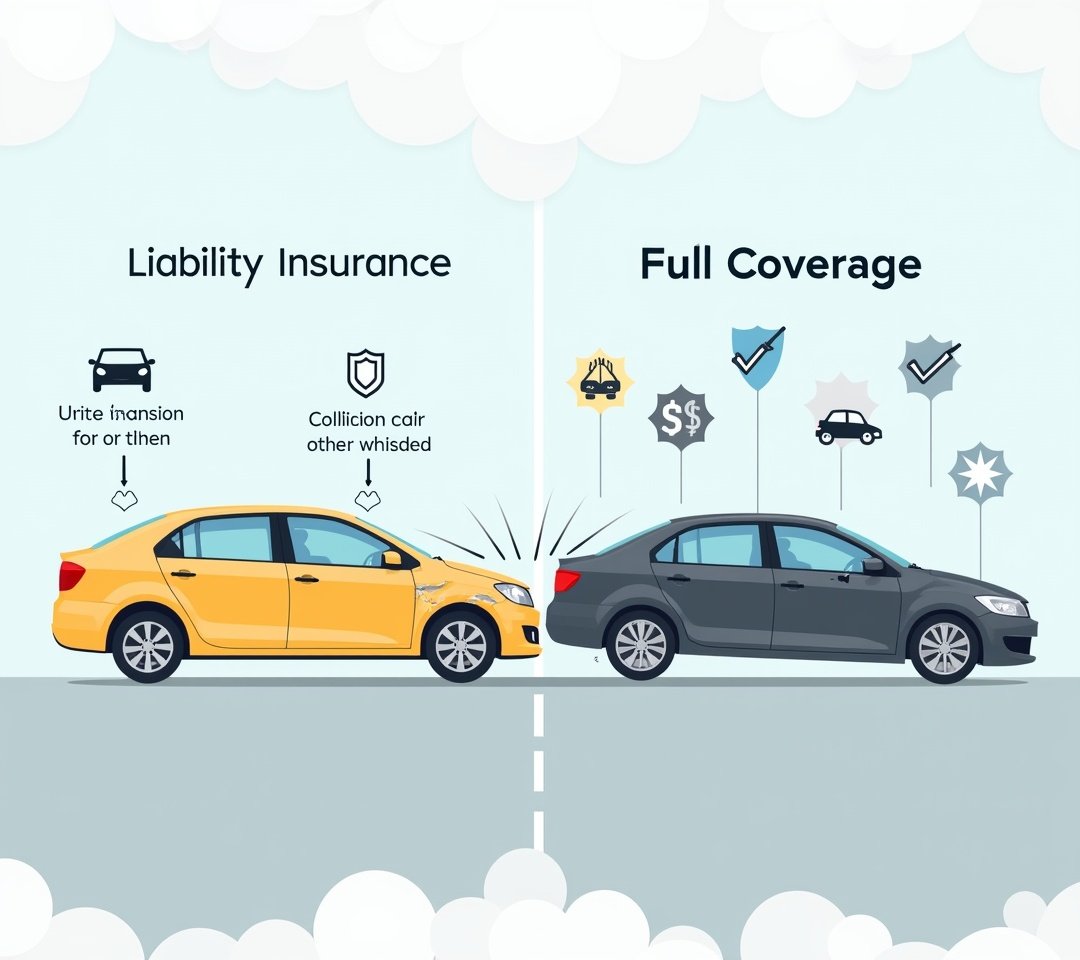
    Liability insurance is basically the bare minimum your state requires you to carry. It covers damage you cause to other people and their property if you’re at fault in an accident. That’s it — nothing for your own car.

    Think of it like this: you rear-end someone at a stoplight, and liability pays for their bumper and their medical bills. Your car? That’s your problem. Every state except New Hampshire requires some form of minimum liability coverage, but the amounts vary wildly.

    I drove with just liability for about three years when I was in my late twenties. I had this beat-up Honda Civic that was barely worth $2,000, and honestly, it made total sense at the time. Why would I pay extra premiums to protect a car that was practically worthless?

    What Does Full Coverage Actually Cover?

    Here’s the thing — “full coverage” isn’t actually an official insurance term. It’s just what people call it when you bundle liability with comprehensive and collision coverage. Collision covers your car when you hit something, and comprehensive handles everything else like theft, hail, falling trees, and deer strikes.

    So full coverage essentially protects both other people AND your vehicle. It’s more expensive, obviously. But when you need it, you really need it.

    I remember upgrading to full coverage when I finally bought a newer Subaru. My monthly premium jumped from around $60 to about $145, and I was honestly annoyed about it. Then six months later, a massive hailstorm destroyed my windshield and dented the hood, and comprehensive covered the whole repair minus my deductible. I literally would’ve been out $3,500 without it.

    The Key Differences at a Glance

    • Liability only: Covers other people’s injuries and property damage when you’re at fault
    • Collision: Pays to repair or replace your car after an accident, regardless of fault
    • Comprehensive: Covers non-collision damage like weather, theft, and animal strikes
    • Full coverage: Liability + collision + comprehensive bundled together

    When Liability Only Makes Sense

    I’m not gonna sit here and tell you everyone needs full coverage because that’s just not true. If your car’s market value is low — say under $4,000 — you might end up paying more in premiums over a year than you’d ever get back from a claim. That math doesn’t work out.

    Also, if you’ve got enough savings to cover a replacement vehicle out of pocket, liability might be fine. It’s all about your personal risk tolerance and financial situation. A good rule of thumb I picked up is if your annual comprehensive and collision premiums exceed 10% of your car’s value, it’s probably time to drop down to liability only.

    When You Absolutely Need Full Coverage

    If you’re financing or leasing your car, this isn’t even a choice. Your lender will require full coverage until that loan is paid off. Makes sense — they want to protect their investment too.

    But even if you own your car outright, full coverage is worth it when your vehicle has significant value. I’d say anything worth more than $10,000 deserves that extra layer of protection. Also, if you live in an area with heavy traffic, extreme weather, or high theft rates, comprehensive coverage alone could save you thousands.

    What I’d Tell My Younger Self

    Looking back, I got lucky during those years with just liability. Real lucky. One bad accident and I would’ve been taking the bus for months because I definitely didn’t have savings to replace a car back then.

    My advice? Don’t just pick the cheapest option and forget about it. Review your coverage every year, especially when your car’s value changes. Get quotes from multiple insurers because rates can differ by hundreds of dollars for the exact same coverage. And please, actually read your policy — I know it’s boring, but knowing what’s covered before disaster strikes is everything.

    Your situation is unique, so customize your coverage to match your life right now. If you found this helpful, head over to Coverage Crafters for more guides that break down insurance topics without all the confusing jargon. We’re here to help you make smarter choices — not just cheaper ones.

  • State Minimum Car Insurance: All 50 States Listed

    State Minimum Car Insurance: All 50 States Listed

    State Minimum Car Insurance Requirements: What I Wish I’d Known Before Getting That Ticket

    Here’s a fun stat for you — roughly 1 in 8 drivers in the U.S. is cruising around without any car insurance at all. Wild, right? I’ll be honest, when I first started driving in my early twenties, I barely understood what “state minimum car insurance requirements” even meant. I just picked the cheapest option my agent offered and called it a day.

    That was a mistake. And it cost me more than I’d like to admit.

    Understanding your state’s minimum auto insurance coverage isn’t just about following the law — it’s about protecting yourself, your passengers, and your wallet. So let me walk you through everything I’ve learned the hard way, so you don’t have to.

    What Exactly Are State Minimum Car Insurance Requirements?

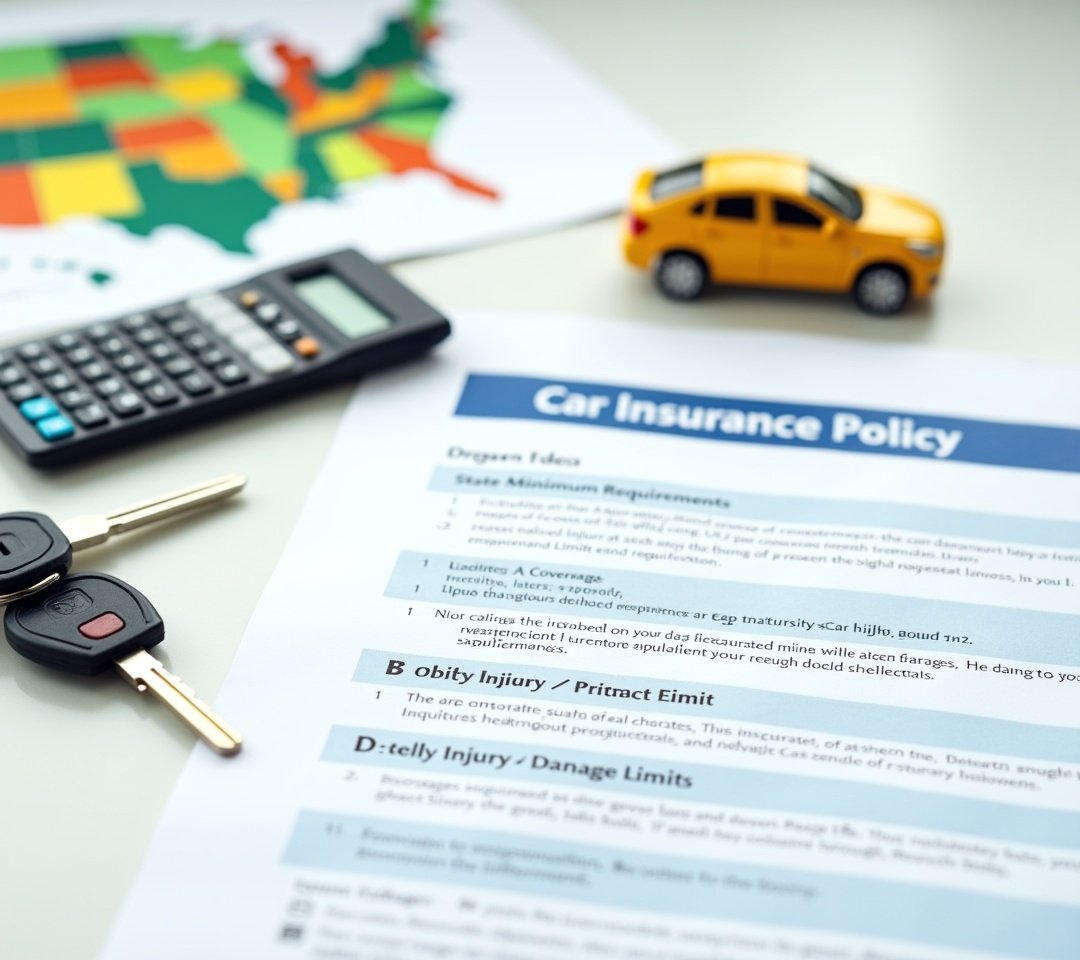
    Every state (except New Hampshire, which is a whole other story) requires drivers to carry some form of liability car insurance. These minimums set the lowest amount of coverage you can legally have and still drive on public roads. They’re not suggestions — they’re the law.

    Most state minimums are broken down into three numbers, like 25/50/25. That first number is the bodily injury liability per person, the second is bodily injury liability per accident, and the third is property damage liability. So in that example, you’d have $25,000 per person, $50,000 per accident for injuries, and $25,000 for property damage.

    Sounds straightforward, but trust me — it gets confusing fast. You can check out the Insurance Information Institute’s breakdown for a solid state-by-state overview.

    Why I Learned the Hard Way That Minimums Aren’t Always Enough

    Back in 2016, I rear-ended someone at a stoplight. Totally my fault — I was messing with the radio like an idiot. The damage to their car was around $18,000, and thankfully my property damage coverage handled most of it. But the driver claimed a neck injury, and suddenly my $25,000 bodily injury limit was looking real thin.

    Long story short, I ended up paying about $4,000 out of pocket. It could’ve been way worse. That experience taught me that minimum coverage is exactly that — the bare minimum. It’s not designed to fully protect you in a serious accident.

    State-by-State Differences You Should Know About

    Here’s where things get a little messy. Every state sets its own minimum liability coverage, and the differences can be huge.

    • California requires 15/30/5 — that property damage limit of just $5,000 barely covers a fender bender these days.
    • Texas requires 30/60/25, which is a bit more reasonable.
    • Florida doesn’t even require bodily injury liability for most drivers — just $10,000 in PIP (personal injury protection) and $10,000 in property damage.
    • Michigan has some of the most complex requirements in the country, with unlimited lifetime personal injury benefits being phased into tiered options.

    The National Association of Insurance Commissioners has some great resources if you wanna dig deeper into how your state stacks up. Honestly, I was shocked when I found out how low some states set their limits.

    Should You Go Beyond the Minimum Coverage?

    Short answer? Almost always yes. I know, I know — nobody wants to pay more for car insurance. But here’s the thing. The average cost of a car accident injury claim was over $20,000 according to recent data, and property damage claims averaged around $5,000. If you’re only carrying your state’s minimum auto insurance limits, you could be on the hook for thousands.

    After my little fender bender fiasco, I bumped my coverage up to 100/300/100. My premium went up maybe $30 a month. That’s less than what I spend on coffee, and it gives me so much more peace of mind. Collision coverage and uninsured motorist coverage are also worth considering, especially if your car isn’t paid off yet.

    Don’t Just Set It and Forget It

    Look, I get it — insurance isn’t exactly thrilling dinner conversation. But knowing your state minimum car insurance requirements is one of those adulting things that actually matters. The minimums keep you legal, but they won’t always keep you financially safe.

    Take 20 minutes this weekend to review your policy. Compare it against what your state requires and what you’d actually need in a real accident. And if you want more tips on making smart coverage decisions, head over to Coverage Crafters — we’ve got tons of posts that break this stuff down without all the insurance jargon. Your future self will thank you!